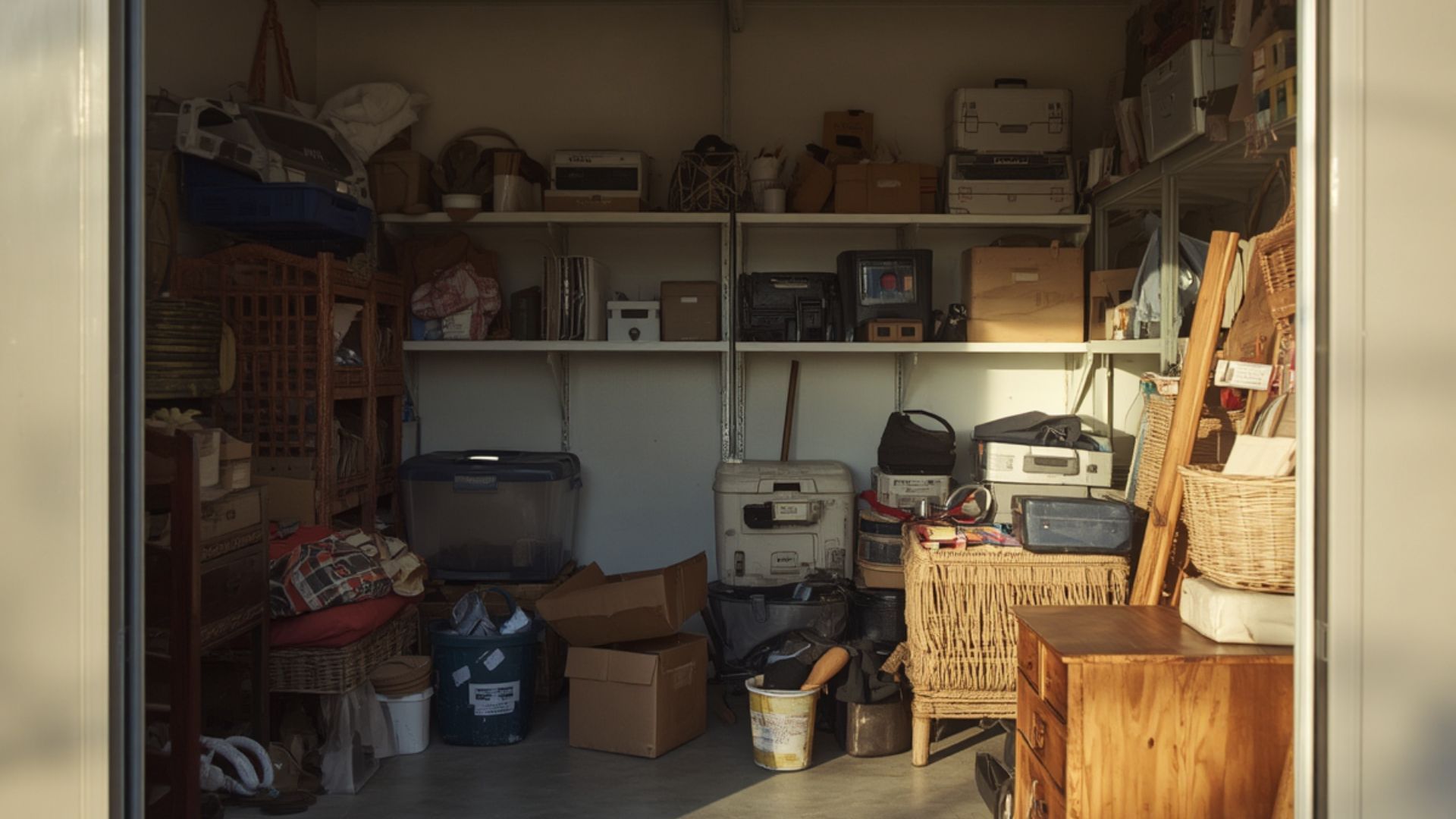
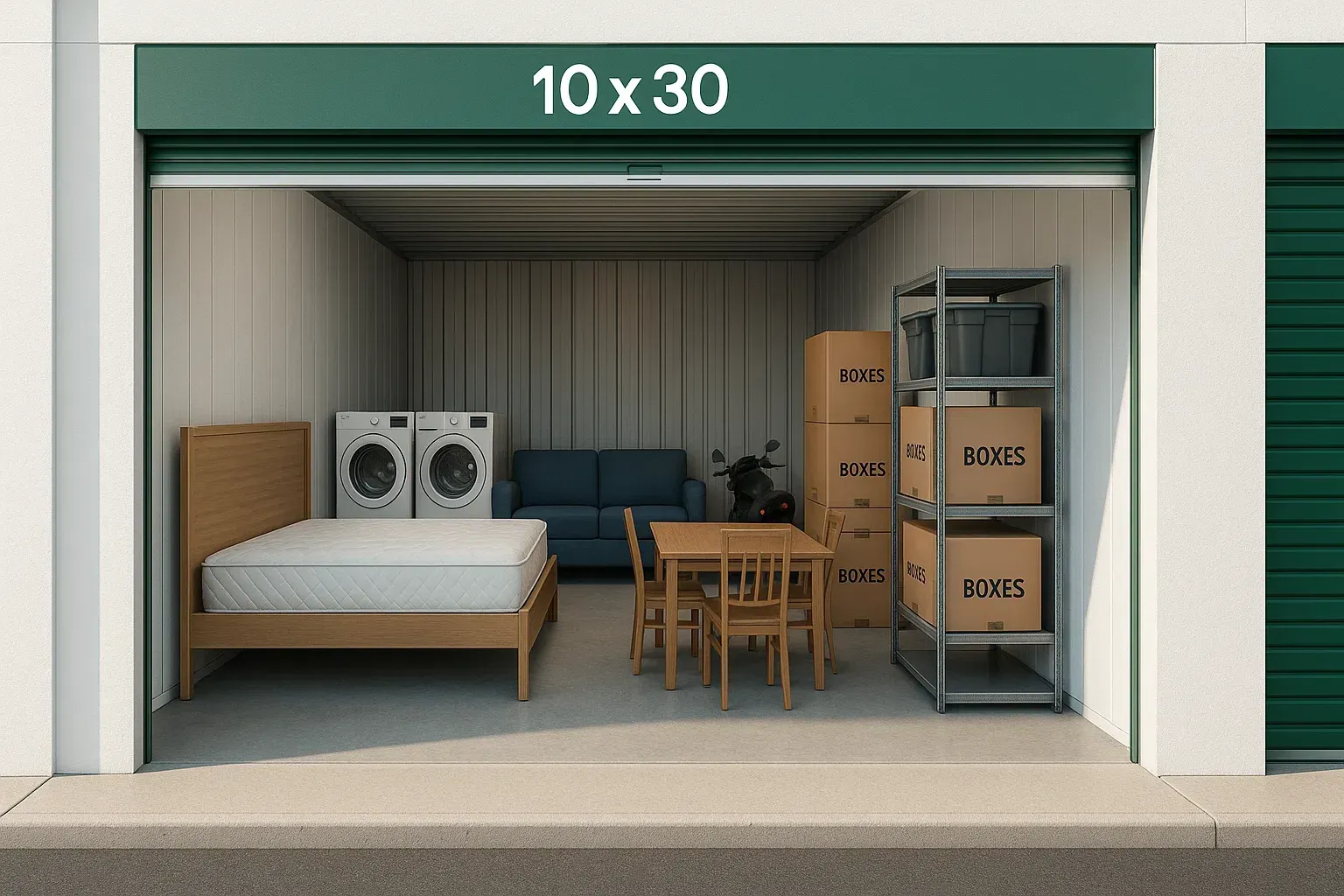
You stand there. The back of your car is open, and the storage unit looks... smaller than you remember.
The boxes don’t stack right. The couch is wider than you thought. It always is.
This happens more than people admit. The thinking is: just fit it all in and shut the door. But then you need one thing, and everything collapses when you try to reach it. It’s not just about space. It’s about sanity.
Here’s how to do it better. Not perfect. Just better. This guide on how to pack your storage unit covers all the essentials for a stress free storage experience.
1. Start Before You Get There
Packing the unit begins long before you unlock the door. A good rule is to start with an inventory list. This helps organize and estimate how much space you’ll need and ensures your belongings stay accounted for.
2. Sort What Actually Matters
Pull everything out. Look at it. Hold it if you need to. Most of it won’t matter in six months. Some of it already doesn’t.
Keep what you need. Sell what you don’t. Donate what still has use. Trash the rest. Do it quickly. Don’t overthink it.
Write on the boxes while you pack. Don’t wait. You won’t remember later. Label boxes clearly, and if you’re storing fragile items, mark those especially well.
3. Use Better Boxes
Cheap boxes fold. Good ones don’t. Get the sturdy boxes. Make them all the same size if you can—it helps when you start stacking boxes. Plastic bins are good if you’re worried about damp or bugs. Utilizing furniture and storage boxes efficiently maximizes space.
Wrap your stuff. Bubble wrap. Blankets. Packing paper. Whatever keeps it from rattling around. Fill the gaps. Think of every box like a box that might fall. For maximum protection, use both bubble wrap and packing paper together around delicate items.
4. Clean It All First
Don’t store things dirty. It feels obvious but people still forget. Dust gets in. Moisture stays hidden. Then mold shows up.
Vacuum. Wipe things down. Let them dry. Use silica packs if it’s humid. I’ve seen antiques warp just from a sticky summer. Use old sheets to cover furniture and prevent dust and moisture from settling in.
5. Packing the Unit Itself
It’s not Tetris. It’s slower. More vertical. To pack a storage unit properly, you’ll want to plan placement for both heavier items and fragile items ahead of time.
6. Think in Layers
Bigger things go in the back. Or things you won’t touch for a while. Lighter, frequent-use stuff stays near the front. Leave a path down the middle. You’ll thank yourself later.
Use the space above your head. Stack high, but not so high it’s dangerous. Shelving helps. Most people don’t use shelves. You should.
7. Stack With Intention
Heavier items should be packed on the bottom of the storage unit and lighter items on top.
Try to use boxes of similar sizes. Stack them like bricks—staggered, not lined up. This keeps the pile from wobbling. Stuff smaller items into dead space. But don’t force it.
Label every side. Not just the top. Sounds small. Saves hours. This keeps your storage unit organized and improves access to your items inside.
Pro tip: Leave an aisle in the storage unit to allow access to items without disrupting the arrangement.
8. Use the Weird Spaces
Drawers are storage. So are the insides of suitcases. Pillows fit in trash bags and fill gaps. Bikes can hang. Small boxes fit under tables.
Don’t pack every inch tight. Stuff needs to breathe. Especially fabric. Especially if it’s sitting for months. Long term storage benefits from breathing room to prevent moisture and prevent damage.
9. Keep It Livable
This isn’t a one-time job. You’ll be back. Use wooden pallets to raise items off the floor. This helps prevent moisture and keeps belongings safe.
10. Labels Are a Lifesaver
Pick a system and stick with it. Colors. Numbers. Sections. Doesn’t matter which. Just don’t mix it up halfway through.
Keep a list somewhere. Labeling boxes clearly simplifies the process of finding items later. A photo on your phone works. So does a notebook in your glove box. An inventory list is the best way to manage access and track what you store.
11. Watch for Damage
Keep stuff off the floor. Especially cardboard. Pallets help. So do plastic risers. Bugs like ground level. So does water.
No food. Not even sealed. Rodents don’t care about expiration dates.
Visit once in a while. Look around. Notice if anything smells off. Or feels damp. A climate controlled unit can help reduce risk for long term storage.
13. Make It Easy on Yourself
Store by season. Don’t bury summer under winter. Keep a few clear bins near the front with things you use more often. Install shelves if the space allows. They don’t have to be fancy.
Rolling carts make heavy things easier to deal with. Most people won’t bother. You might. A smart move is to store items in a way that ensures easy access and reduces backtracking.
What to Watch Out For
Overpacked boxes break. Uneven stacks fall. Labels fade. Moisture creeps. Perfume makes everything smell weird. So does old plastic. And mildew.
Insurance is boring—until it isn’t. Double-check your policy. Then forget about it. Hopefully you won’t need it.
Climate controlled storage spaces are ideal for long term storage of electronics, delicate items, and important documents. This extra layer of protection offers maximum protection from temperature swings.
That’s it.
Not a system. Not a hack. Just a way to keep your stuff from getting wrecked. Make it simple. Keep it clean. Give yourself a little space to move. And remember, using a well-maintained storage facility will help you keep your unit tidy and belongings safe.
You’ll figure it out. For additional tips, consult with your storage facility or browse self storage provider guides for examples.