Is Your Home in Construction Mode? Here’s How Storage Can Keep Your Renovation in Irmo Under Control

Alicia Aguirre • May 20, 2026

Home renovations are exciting at first. Picking out flooring, updating kitchens, redesigning bathrooms, or finally opening up cramped living spaces gives homeowners something to look forward to. However, once demolition begins and daily routines are interrupted, that excitement can quickly turn into frustration. Furniture gets pushed into hallways, dust settles into every corner of the home, and suddenly, even simple tasks like cooking dinner or finding clean clothes become more difficult than expected.


That is why many homeowners in Irmo are turning to temporary storage solutions during renovation projects. Using secure storage options in Irmo creates breathing room while contractors work, helping families stay organized while protecting valuables from damage. Instead of constantly moving belongings from room to room, homeowners can temporarily relocate furniture, electronics, décor, and recreational equipment into a secure space designed to keep items safe during construction.


In a growing community like Irmo, SC, renovations are especially common as homeowners modernize older homes, expand family spaces, or improve property value. At the same time, many residents maintain active outdoor lifestyles centered around Lake Murray, Saluda Shoals Park, and nearby recreational areas. As a result, garages and spare rooms often already contain boating gear, camping supplies, seasonal decorations, or even equipment tied to an RV out of storage. When renovation projects begin, homes can quickly feel overcrowded without a temporary storage plan in place. Fortunately, a well-organized storage strategy can make the entire renovation process smoother, cleaner, and far less stressful from beginning to end.


Key Points for Readers Short on Time

  • Storage units help protect furniture, electronics, and valuables from construction dust and accidental damage.
  • Clearing rooms before renovations allows contractors to work more efficiently and safely.
  • Climate-controlled storage is especially important in South Carolina’s humid climate.
  • Renovations create an ideal opportunity to declutter and reorganize your home.
  • Temporary storage helps families maintain more normal daily routines during remodeling projects.


Renovations Affect More of Your Home Than You Expect

Many homeowners begin renovations believing the disruption will stay contained to one room. Unfortunately, construction projects rarely work that way. Even relatively small remodels often affect surrounding spaces due to noise, dust, foot traffic, and displaced belongings. For example, a kitchen renovation may temporarily turn dining rooms into storage areas while cabinets, cookware, and pantry items get relocated. Bathroom remodels often force families to share limited spaces, creating clutter in bedrooms and hallways. Meanwhile, flooring projects typically require entire rooms to be emptied before work can even begin.


As a result, homes start feeling crowded almost immediately. Families in Irmo who already balance work schedules, school activities, and outdoor recreation can quickly feel overwhelmed when everyday living spaces become disorganized. This is especially true in households with children, pets, or multiple family members working remotely. Using temporary storage during renovations helps create separation between construction zones and normal living areas. Rather than stacking boxes throughout the house or covering furniture with plastic sheets for weeks at a time, homeowners can safely relocate items offsite until the project is complete. Consequently, the home remains cleaner, more functional, and easier to navigate throughout the renovation process.


Construction Dust Travels Farther Than Most People Realize

One of the biggest surprises during home renovations is how quickly construction dust spreads throughout the house. Even when contractors seal off rooms with protective barriers, fine dust particles still move through vents, hallways, and doorways. Before long, furniture, electronics, clothing, and bedding may all require extensive cleaning. Unfortunately, dust is not the only concern. Paint spills, falling tools, exposed nails, moisture, and heavy equipment can all create risks for household belongings during construction. Items stored too close to active workspaces may easily become scratched, stained, or damaged.


Because of this, many homeowners choose to relocate valuable belongings to secure storage units before renovations begin. Commonly stored items include:


  • Sofas and upholstered furniture
  • Dining tables and wooden furniture
  • Electronics and gaming systems
  • Family photographs and artwork
  • Seasonal decorations
  • Rugs and mattresses
  • Children’s toys and nursery furniture


Climate-controlled storage becomes especially useful for protecting sensitive items from South Carolina’s humidity. Electronics, wood furniture, musical instruments, and important documents all benefit from stable temperature and moisture conditions during long renovation projects. Similarly, homeowners renovating utility spaces or laundry rooms often need temporary appliance storage as well. Preparing those appliances properly before storing them is important, which is why this guide on how to properly store a washing machine can help reduce the risk of moisture damage or mold growth while the appliances remain unused.


A Less Crowded Home Helps Contractors Work Faster

Beyond protecting belongings, storage also improves the renovation process itself. Contractors work far more efficiently when rooms are cleared before demolition or installation begins. Open spaces allow workers to move materials safely, position ladders properly, and access electrical or plumbing systems without obstacles slowing progress down. On the other hand, crowded homes often create unnecessary delays. Contractors may need to spend valuable time moving furniture, protecting household items, or carefully navigating around packed rooms before they can begin each day’s work.


This issue becomes even more noticeable during large-scale renovations involving multiple crews. Electricians, flooring installers, painters, plumbers, and cabinet installers may all rotate through the same spaces over several weeks. The fewer obstacles inside the home, the smoother that coordination becomes. Additionally, open workspaces reduce the likelihood of accidental damage. Furniture placed too close to renovation zones may become scratched or exposed to debris simply because workers need room to maneuver materials and tools throughout the home. By moving excess belongings into storage beforehand, homeowners create cleaner, safer, and more productive environments for everyone involved in the renovation.


Renovations Create the Perfect Time to Declutter

Although renovations can feel stressful, they also provide homeowners with an excellent opportunity to reevaluate what truly belongs in the home. Packing up entire rooms forces people to sort through closets, cabinets, storage bins, and garage shelves that may not have been touched in years. In many cases, homeowners realize they have accumulated far more belongings than they actually use. Duplicate kitchen appliances, outdated décor, unused furniture, old paperwork, and forgotten seasonal items often take up valuable space without serving much purpose.


Rather than immediately moving everything back into the home after renovations finish, temporary storage creates extra time to make thoughtful decisions about what should stay and what can be donated or discarded. Consequently, many homeowners emerge from renovations with spaces that feel not only updated but also significantly less cluttered. This process often leads families to develop better organizational habits long after the renovation is complete. In fact, many homeowners discover that temporary storage helps them maintain a cleaner home overall, especially after learning practical organization strategies like those discussed in decluttering: here’s why a storage unit helps you stay organized.


Garage Renovations Can Become Especially Complicated

Garage remodels often create some of the biggest storage challenges during home improvement projects. In Irmo, garages frequently store far more than vehicles alone. Many households use garage space for lawn equipment, camping supplies, bicycles, kayaks, fishing gear, sports equipment, tools, and seasonal storage. For residents who regularly spend time outdoors around Lake Murray or nearby parks, these items quickly add up. According to the official Lake Murray tourism resources, boating, fishing, and water recreation remain some of the area’s most popular activities throughout much of the year.


When garage renovations begin, homeowners suddenly need alternative places to store all of that equipment safely. At the same time, contractors often need garage access for tools, building materials, and workspace. Some families even need to reorganize driveway space by moving an RV out of storage temporarily while construction crews work around the property. Others use temporary storage units specifically to clear out garages completely before installing new flooring, cabinetry, insulation, or storage systems. Without an organized plan, garage renovations can quickly spill into the rest of the house, creating clutter in living rooms, spare bedrooms, and hallways. Temporary storage helps prevent that overflow while keeping recreational equipment protected and accessible when needed.


South Carolina’s Climate Makes Proper Storage Even More Important

Weather conditions in South Carolina play a major role in how belongings should be stored during renovations. Irmo experiences long periods of heat and humidity, especially throughout spring and summer. Excess moisture can damage furniture, electronics, paper documents, fabrics, and mattresses if items are stored improperly. South Carolina regularly experiences high humidity levels capable of contributing to mold growth and moisture-related damage indoors. Because of this, climate-controlled storage becomes an important consideration for homeowners storing belongings during lengthy renovation projects.


Climate-controlled units help stabilize indoor conditions, reducing exposure to excessive heat and humidity fluctuations. This added protection is particularly valuable for:


  • Wooden furniture and antiques
  • Artwork and framed photographs
  • Electronics and televisions
  • Musical instruments
  • Documents and keepsakes
  • Upholstered furniture and mattresses


While garages or portable containers may seem convenient initially, they often lack the environmental stability needed to protect sensitive belongings over several weeks or months.


Storage Helps Families Maintain Daily Routines

Living through renovations becomes much harder when homes lose all sense of organization. Families already balancing work, school schedules, errands, and social activities often struggle once everyday household items become difficult to access. Children may lose play areas or study spaces. Pets become anxious around unfamiliar noise and activity. Meanwhile, adults often feel mentally exhausted trying to navigate constant clutter and disruption.


Temporary storage helps preserve a sense of normalcy throughout the process. By reducing overcrowding inside the home, families maintain cleaner walkways, safer living spaces, and more functional rooms while construction continues elsewhere. This becomes especially valuable during longer renovation timelines where homeowners remain in the house for several months. Having fewer belongings scattered throughout living spaces reduces stress significantly and allows families to focus more on the excitement of the finished project rather than the temporary inconvenience.


Smart Packing Strategies Make Renovations Easier

Packing for renovations requires a slightly different approach than packing for a move. Since belongings will eventually return to the same house, organization becomes the priority rather than long-term transportation. Homeowners often benefit from labeling boxes clearly by room and category so unpacking feels less overwhelming later. Frequently used items should remain easy to access, while seasonal decorations or rarely used belongings can stay deeper inside the storage unit until renovations are complete.


It also helps to leave small walkways inside storage units instead of packing everything tightly wall to wall. This makes retrieving individual items much easier if plans change mid-renovation. Protective materials matter as well. Furniture covers, plastic bins, shelving units, and moisture absorbers all help protect belongings during extended storage periods. Although these small details may seem minor initially, they make a major difference once homeowners begin moving everything back into the home after construction ends.


Renovations Feel Less Overwhelming with a Storage Plan

One of the biggest benefits of temporary storage during renovations is psychological. Clutter has a way of making stressful situations feel even more chaotic. When homes become crowded with displaced furniture, boxes, and construction materials, homeowners often feel mentally exhausted before projects are even halfway complete. Storage creates visual and emotional breathing room. Clean, open spaces make homes feel more manageable during construction, even when major projects are underway. Instead of constantly staring at piles of belongings waiting to be moved, homeowners can focus on the renovation progress itself.


This sense of control becomes especially important during projects that run longer than expected, which is common during many renovations. Delayed shipments, contractor scheduling changes, or unexpected repairs can all extend timelines beyond original estimates. Having an organized storage solution already in place helps homeowners adapt more easily when those inevitable delays occur.


Using Storage During a Home Renovation in Irmo

Home renovations are rarely simple, but the right preparation can make the process far less stressful. Temporary storage helps protect valuables, reduce clutter, improve contractor efficiency, and maintain a more comfortable living environment while construction is underway.


For homeowners in Irmo balancing renovations alongside busy schedules and active lifestyles, secure storage options in Irmo provide valuable flexibility throughout every stage of the project. Whether you are protecting furniture from construction dust, reorganizing garage space, storing seasonal equipment, or managing an RV out of storage during renovations, having additional space available can make the entire remodeling experience feel more organized and far easier to manage.

Self-Storage With Climate Control Guide
March 16, 2026
Discover how self-storage with climate control protects valuables from heat and humidity. A complete guide for storing belongings safely.
Properly Store a Washing Machine
By Josh Summerhays February 20, 2026
Learn how to properly store a washing machine with step-by-step guidance. Protect your appliance from moisture and damage.

Decluttering? Here's Why a Storage Unit Helps You Stay Organized
By Josh Summerhays December 11, 2025
Reclaim your space and peace of mind. PrimeSpace Storage helps you clear clutter, store belongings safely, and make your home feel like home again.
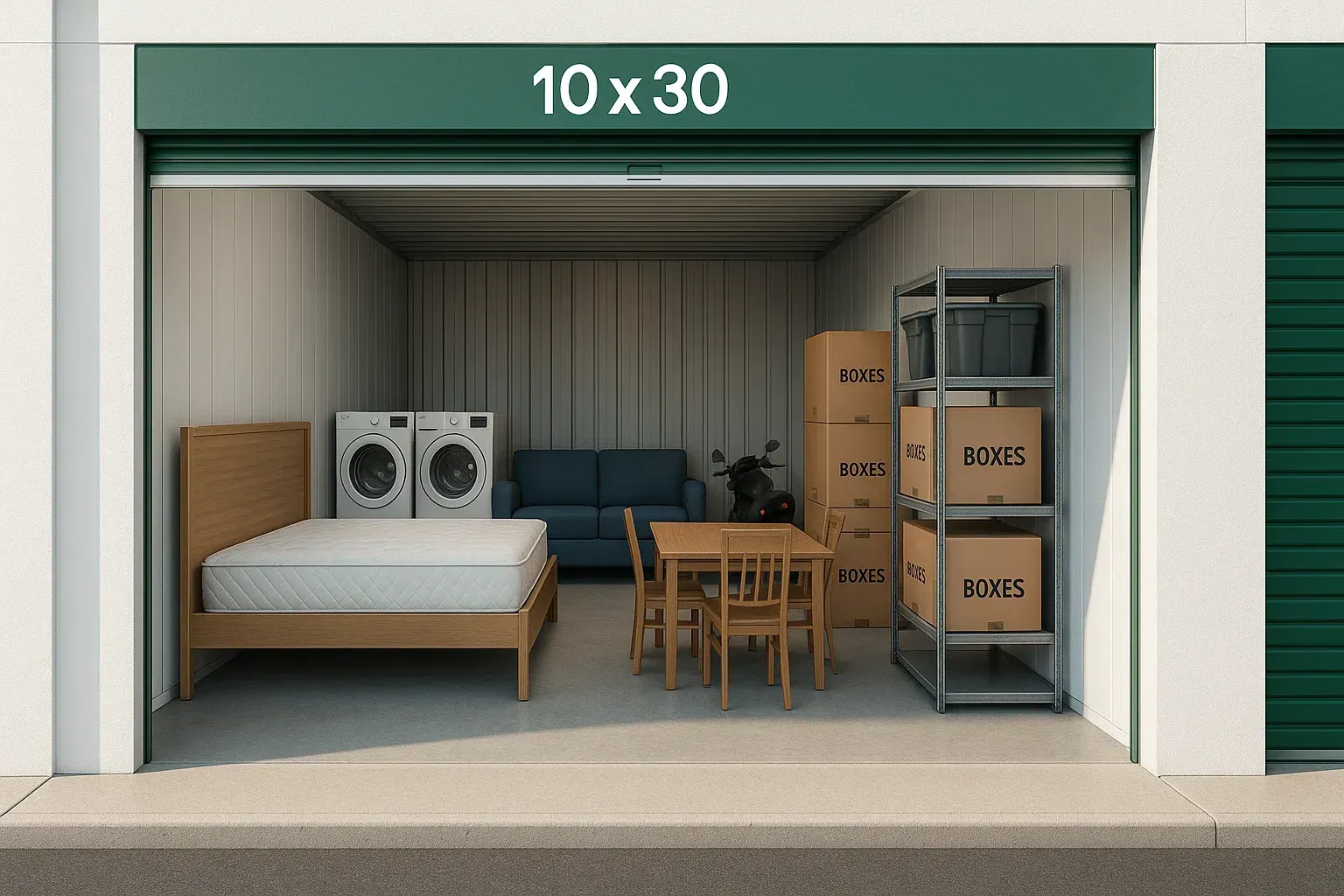
open 10x30 storage unit with household furniture and other items
By Josh Summerhays December 11, 2025
A 10x30 storage unit represents one of the most versatile and spacious options available, offering a perfect balance of capacity for users.
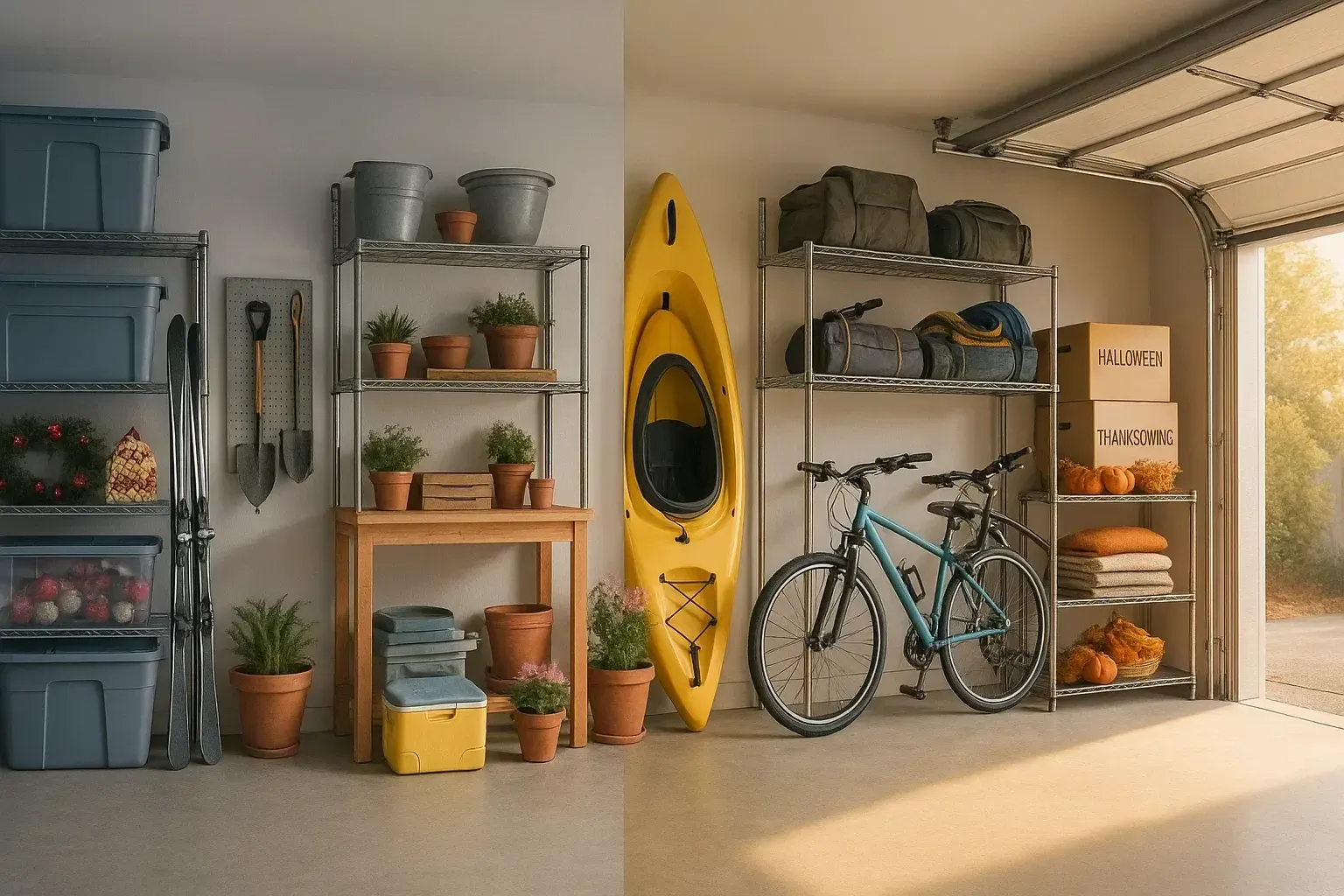
12-month storage calendar with seasonal bins for holiday décor, winter coats, etc
December 11, 2025
Get organized year-round with this 12-month storage calendar. Learn when to store, rotate, and retrieve seasonal items for a clutter-free home.
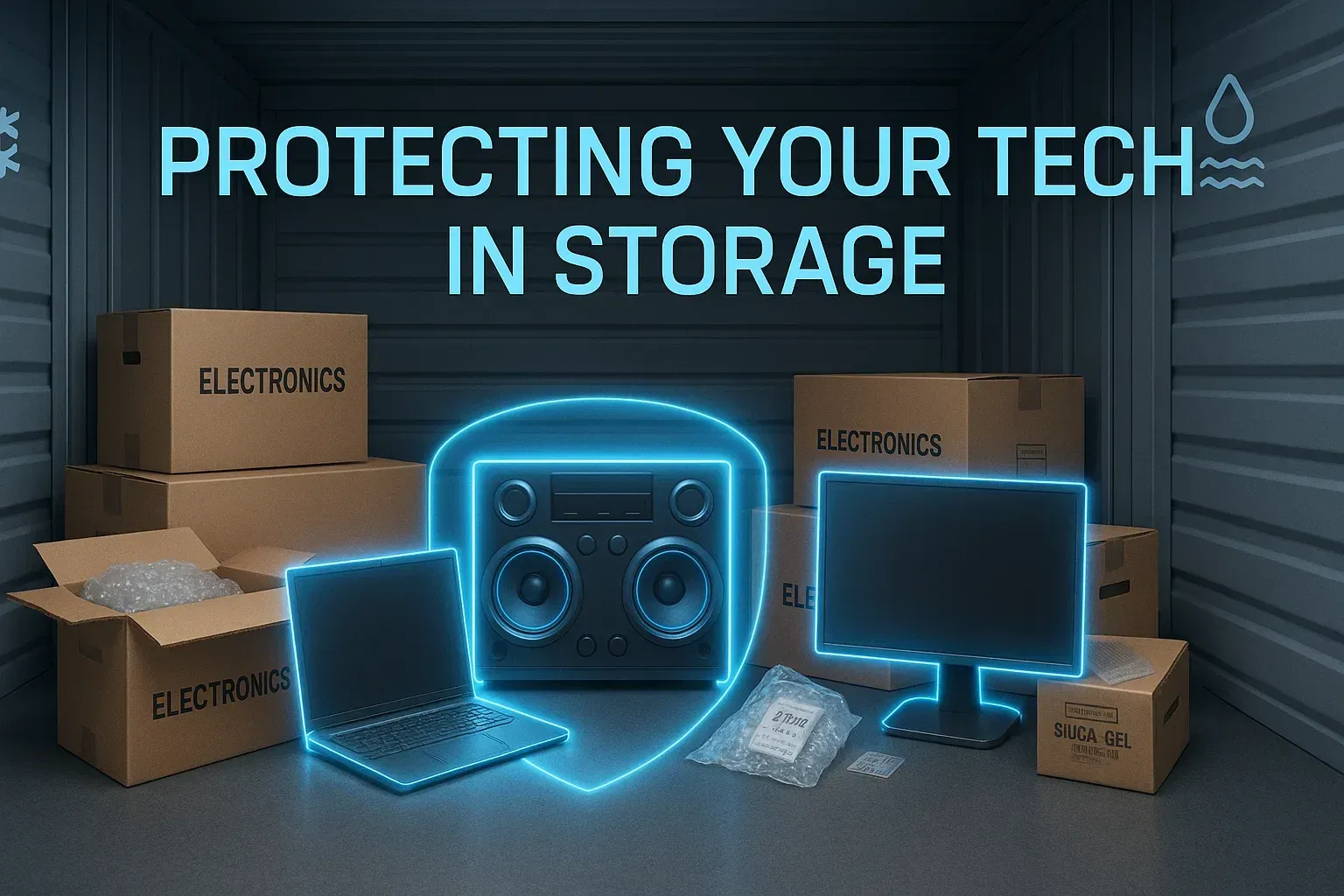
graphic of common personal electronics in a storage unit
By Josh Summerhays December 11, 2025
Devices do not forgive sloppy handling. Replacing a vintage stereo or a custom gaming tower is expensive, and some pieces are impossible to find again. With a basic plan, even a storage calendar , and a little patience, you can pull everything back out later, plug it in, and feel that quiet relief when the screen lights the way it should. Before we get started on electronic storage, know that climate-controlled storage is a great option to store furniture without damage , as well as for small business who need self storage . Understanding the Risks Storing electronics comes with challenges. Devices face threats in a storage facility that can turn a working unit into a dead weight. Temperature fluctuations make materials expand and contract. Internal components such as solder joints weaken, while sensitive components like circuit boards can fail under stress. Humidity is worse. Moisture creeps into seams, encourages corrosion, and raises humidity levels that damage sensitive electronics. Dust isn’t neutral either—it settles into vents, clogs fans, and coats circuit boards. Even static electricity or electrostatic discharge can destroy a chip instantly. Pests and rodents can chew wires, leading to physical damage. The value here isn’t just monetary. Valuable electronics often hold important data or memories. A computer may contain irreplaceable photos and records. Protecting them with electronics storage practices ensures your valuable devices are stored properly and remain functional. Choosing the Right Storage Unit The room you pick makes a difference. A climate-controlled storage unit protects electronics against harmful effects of extreme temperatures and extreme cold or high temperatures. Climate controlled storage keeps the air conditioning steady, prevents condensation, and maintains safe humidity levels. Most experts recommend you choose climate-controlled storage if you’re storing electronics for more than short term storage. Climate controlled units provide the perfect solution for keeping devices stable. Security also matters. Electronics are easy to resell, so pick a self-storage unit with security cameras, gated entry, and lighting. The right storage unit should also provide extra protection with enough extra space for airflow. Remember: storage units offer peace of mind only when chosen carefully. Preparing Electronics for Storage Preparation is most of the job in packing electronics. Start by cleaning each device—use compressed air to remove dust and a cotton cloth to wipe screens. Always remove dust before boxing items. Back up important data before packing. Losing files is worse than replacing a device. Store backups on the cloud or external drives. Remove batteries from all devices. A leaking cell can damage components permanently. Always store batteries separately in cool, dry places. This applies to laptops, remote controls, and digital cameras. Packing Electronics Properly Whenever possible, use original packaging. If that’s not available, use sturdy boxes and protective packing materials like foam, bubble wrap, and packing paper. Wrap sensitive electronics in anti-static bags to protect them from static electricity. Even loose circuit boards or computer monitors benefit from this. Storing electronics in a sealed box can help protect them from dust and environmental hazards. Add silica gel packets inside boxes to control humidity levels and replace them when they reach saturation. This extra step helps keep electronics safe and prevents moisture from harming sensitive components. Screens should stay upright. Use bubble wrap or blankets to prevent scratches. For desktops, secure heavy internal components separately to avoid rattling inside. Always properly store devices with care to prevent scratches and other damage. Storage Best Practices Placement inside the storage unit matters. Never set devices directly on the floor—use pallets or shelves for extra protection. Keep valuable electronics away from storage unit doors, where temperature fluctuations are worst. Store your electronics in labeled boxes. Keep an inventory list with serial numbers to simplify insurance claims later. This also helps if you need to store items long term or want to test devices periodically. Periodically inspect devices for corrosion, pests, or other issues. Replace silica gel packets when needed. Also, consider testing stored items occasionally to make sure they still work. Insurance for Stored Electronics Even when electronics are stored properly, things happen. Insurance for stored electronics provides coverage if a storage facility is damaged by fire, floods, vandalism, or other extreme conditions. Insuring expensive electronics protects you from unexpected losses. Insurance for stored electronics can often be purchased directly from your storage company. Some providers even offer gadget insurance that covers other electronics excluded under renters or homeowners policies. Keep an inventory list with receipts and photos to simplify any insurance claims. Always review deductibles and exclusions—some policies may not cover theft or mysterious loss. Conclusion Learning how to store electronics in storage unit settings comes down to planning. Clean devices, remove batteries, use anti-static bags, add silica gel packets, and always rely on a climate-controlled unit. Keep an updated inventory list for insurance and store your electronics in a way that allows airflow and avoids extreme conditions. When electronics are stored properly, you prevent scratches, reduce harmful effects from dust and heat, and keep sensitive electronics safe until you need them again. For many, the small cost of climate-controlled storage is the perfect solution—offering both peace of mind and protection for your most valuable devices.
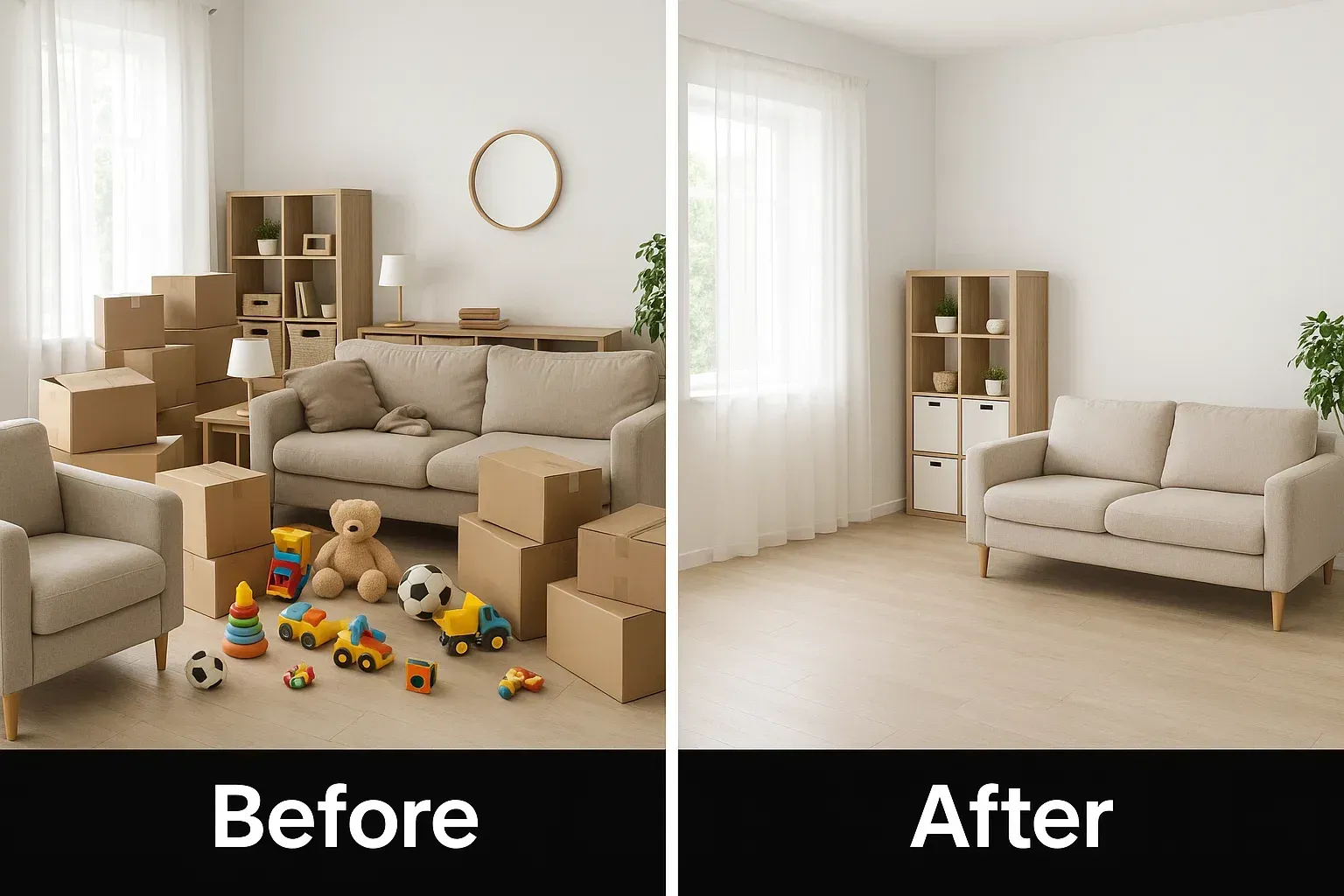
Staged living room with minimal furniture after using self storage to declutter before selling a hom
November 20, 2025
Discover how decluttering with self storage, professional home staging, and added storage space can help your house sell faster and for a higher price.

A serene lake surrounded by lush green grass and dense evergreen forest under a bright blue sky with fluffy white clouds.
By Jon Knoder November 18, 2025
Irmo offers a practical lifestyle supported by reasonable costs, strong schools, outdoor recreation, and a friendly residential environment. Learn more!
Prohibited Items in Self-Storage: What You Can't Store
By Freda Levi August 21, 2025
Wondering what you can’t put in a storage unit? From gas cans and paint to food, plants, and valuables, here’s what facilities ban and why the rules matter.
How to Store Furniture Without Damage
By Freda Levi August 21, 2025
Learn how to store furniture in a storage unit the right way. These tips help protect wood, leather, and upholstery from damage, moisture, and pests.
Show More