Decluttering? Here’s Why a Storage Unit Helps You Stay Organized

Josh Summerhays • December 11, 2025

Decluttering? Here’s Why a Storage Unit Helps You Stay Organized

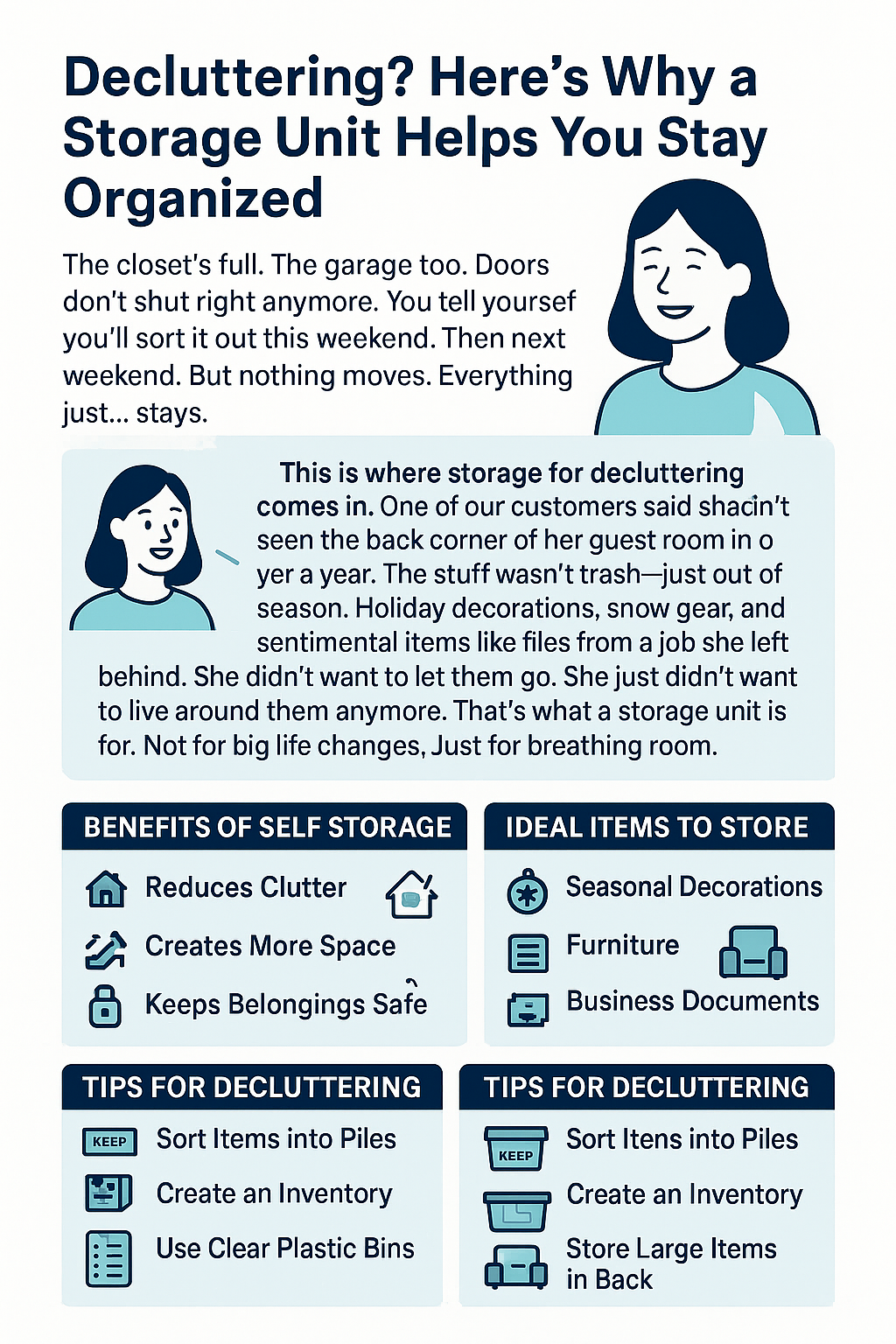
Infographic on decluttering with storage units. Lists benefits, items to store, and tips. Includes illustrations and text.

The closet’s full. The garage too. Doors don’t shut right anymore. You tell yourself you’ll sort it out this weekend. Then next weekend. But nothing moves. Everything just… stays.


This is where storage for decluttering comes in. One of our customers said she hadn’t seen the back corner of her guest room in over a year. The stuff wasn’t trash—just out of season. Holiday decorations, snow gear, and sentimental items like files from a job she left behind. She didn’t want to let them go.


She just didn’t want to live around them anymore.


That’s what a storage unit is for. Not for big life changes. Just for breathing room.


At PrimeSpace Storage, we see this every day. People aren’t looking to overhaul their lives. They just want their own home to feel like home again. Sometimes that means moving things out without throwing them away.


The Mental and Physical Weight of Clutter


Clutter’s not just mess. It presses in. It makes rooms feel smaller. It adds decisions to your day that shouldn’t be there.


When you use self storage during decluttering, you get to skip the pressure. You don’t need to figure out whether something stays or goes. Not yet. You just put it aside. Create donation, trash, sell, and keep piles to sort through later. Give yourself space to move around, to think. To breathe a little.


There’s data behind it. Less clutter means less housework. One study says up to 40% less. That’s not nothing.


We’ve had people tell us they started sleeping better once they could walk through their hallway again.


Not everyone needs a study for that.


Reclaiming Your Space—Quietly


Most people aren’t short on square footage. They’re short on usable living space.

We talk to folks all the time who’ve lost whole rooms to boxes. A garage that hasn’t seen a car in years.


A closet that’s really just storage behind a door.


You don’t need to toss everything. You just need somewhere to store it that isn’t the middle of your living room.


Seasonal gear. Old furniture. Childhood keepsakes. Things that matter, just not every day. A self storage unit gives them a place to be without occupying space in your house.


Renting a storage unit is a great solution for keeping belongings while managing clutter. You can even create an inventory of non-essential items to help prioritize what goes into self storage. This is especially useful during life shifts—moving, downsizing, renovating, welcoming a new baby, or working from the dining room table.


Less Clutter, Safer Home


Clutter doesn’t just take up space. It gathers dust. Blocks airflow. Trips you at night.


When you move bulky or unused items to a clean, maintained storage facility, your home works better.


It breathes better. You’re less likely to stub a toe or lose a charger under a pile of tangled cords or holiday decorations.


At PrimeSpace, our storage facilities are cleaned and maintained daily. So while you focus on keeping your home livable, we focus on keeping your storage space that way too.


Choosing a Unit That Works for You


Start by figuring out what you’re storing. Boxes? Bikes? A loveseat from a former apartment?


Then think about the size. A 5x5 or 5x10 self storage unit can typically hold the contents of one room.


We also have drive-up 10x20s, and 10x30 units for larger loads. If you’re not sure, call us. We help people figure it out all the time.


First measure your space before purchasing storage containers—it helps avoid future clutter. For anything that warps, melts, or fades—books, instruments — go with climate-controlled storage. It costs a bit more, but they keep items like electronics safe along with items previously mentioned.


And don’t underestimate location. If your unit’s across town, you’ll avoid it. That’s why PrimeSpace chooses central locations with easy access hours—most of our customers don’t even need to come during business hours. If frequent access is needed, choose a storage facility near your home.


Security. Amenities. Small Things That Matter.


We don’t expect you to trust us just because we say “secure.” So we show you what that means.


Surveillance. Gated access. On-site managers. Some locations even offer individual door alarms. We also offer month-to-month contracts. No long-term commitments. Just what you need, when you need it.


Need boxes or packing supplies? Some locations have them on hand. Need to unload heavy furniture? Many PrimeSpace sites offer drive-up access and carts you can borrow. Simple things, but they help.


Budgeting for Storage—Realistically


Pricing depends on size and location. Ours typically range from $50 for a small unit to $200+ for larger spaces. But we often run first-month deals or seasonal promos. You can check availability and pricing right on our site.


More important than “cheap” is fit. If a few extra dollars a month means your belongings are safer, easier to reach, and stored properly, it’s usually worth it.


Pack It Right or Regret It Later


Don’t just dump everything inside. Stack the right way. Label each box. Wrap anything fragile. Leave a walkway. Don’t forget—gravity’s real. Heavy stuff goes on the bottom.

Using clear bins allows for easy visibility of stored items. Others keep spreadsheets or take pictures.


Designating specific bins for categories of items can make it easier to retrieve what you need. And plastic containers with lids help keep sentimental items safe from damage.


Keep Tabs. Stay In Control.


We suggest checking your self storage unit once a month. Bring a flashlight. Make sure nothing shifted, broke, leaked, or got dusty. Update your labels if needed.


Regularly checking your unit helps ensure your belongings remain in good condition. Otherwise it just becomes an off-site junk drawer.


What Trips People Up


Overpacking. Poor labeling. Forgetting what’s inside. Not reading the fine print. We've seen it all.


At PrimeSpace, we walk first-time customers through what to expect. What’s included. What isn’t. What to ask about insurance. What to watch out for in your lease. We can help you pack your storage unit like a pro!


Stored items should be organized into categories such as records, keepsakes, seasonal items, and junk.


It. helps keep your system neat and your mind clear.


Every six months, reassess your stored items. Do I still need this? If not—donate it, sell it, or recycle what’s useful. Donating items immediately after decluttering prevents donation piles from taking up space too long.


No Pitch. Just Perspective.

We’re not here to sell you transformation. We just think you should be able to walk through your living space without dodging a pile of ski boots.


Storage isn’t dramatic—it’s practical. It’s for the stuff that matters but doesn’t belong on your kitchen table anymore.


If that sounds like something you need, we’ve got the storage solutions—and we’ll keep them ready.

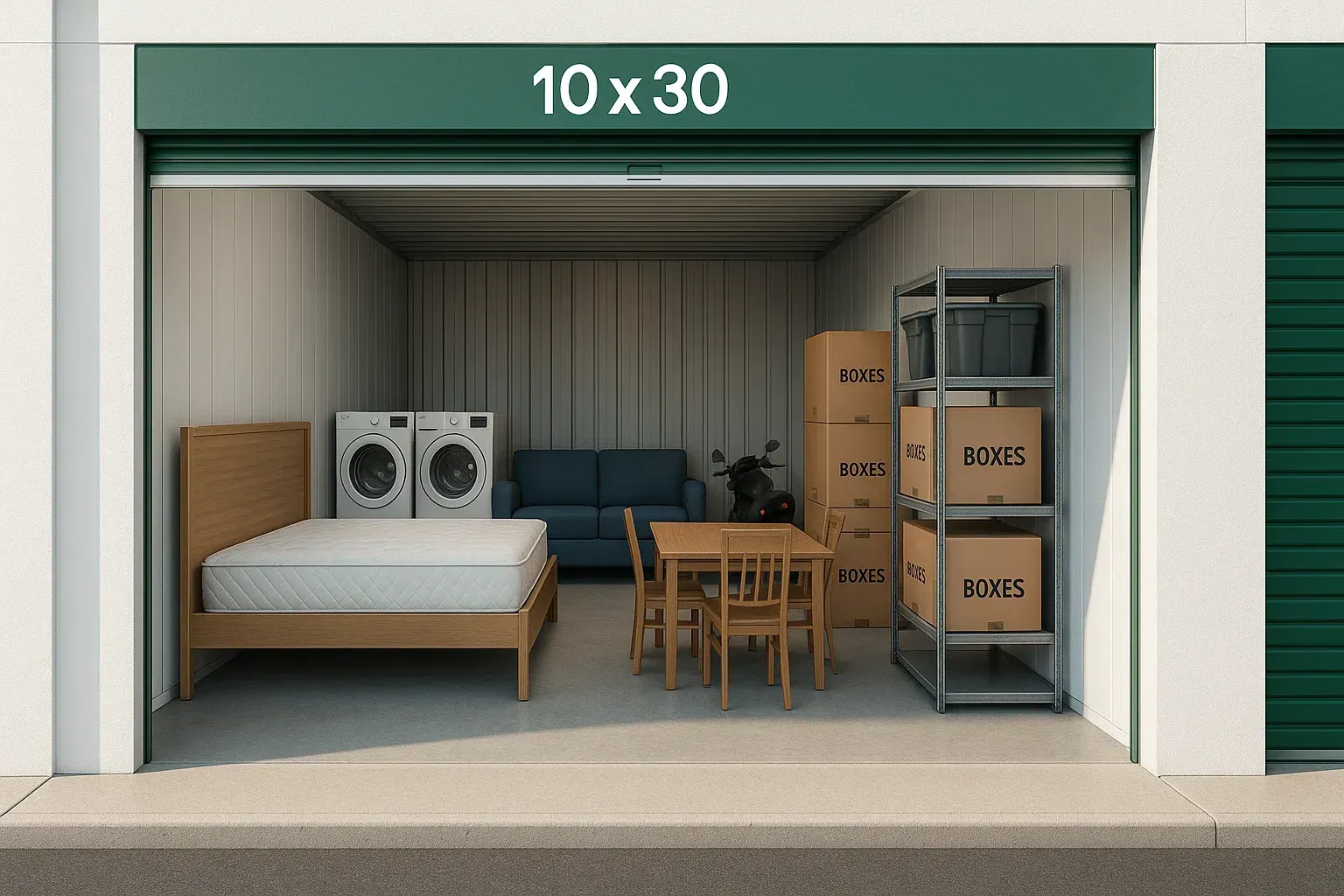
open 10x30 storage unit with household furniture and other items
By Josh Summerhays December 11, 2025
A 10x30 storage unit represents one of the most versatile and spacious options available, offering a perfect balance of capacity for users.
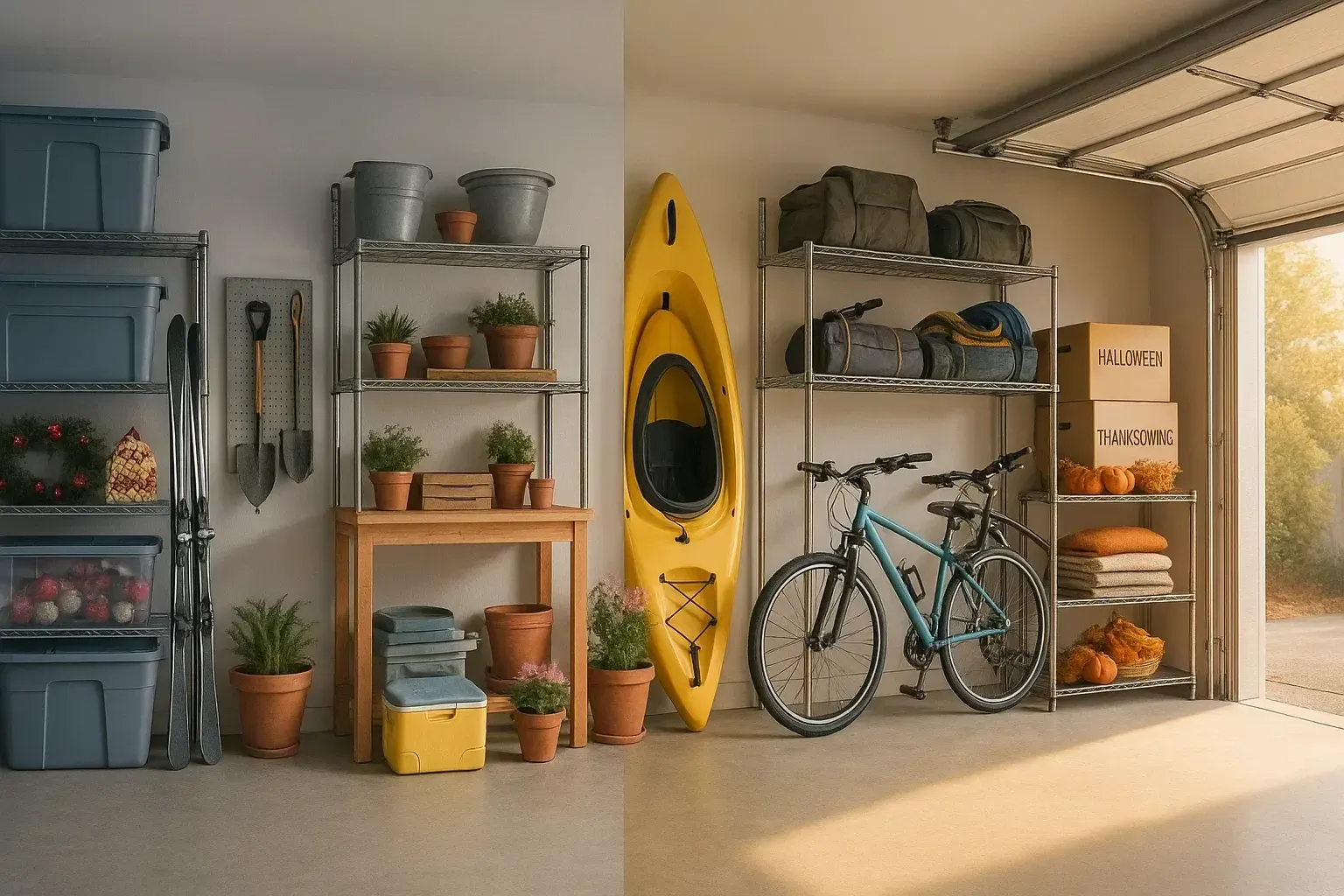
12-month storage calendar with seasonal bins for holiday décor, winter coats, etc
December 11, 2025
Get organized year-round with this 12-month storage calendar. Learn when to store, rotate, and retrieve seasonal items for a clutter-free home.
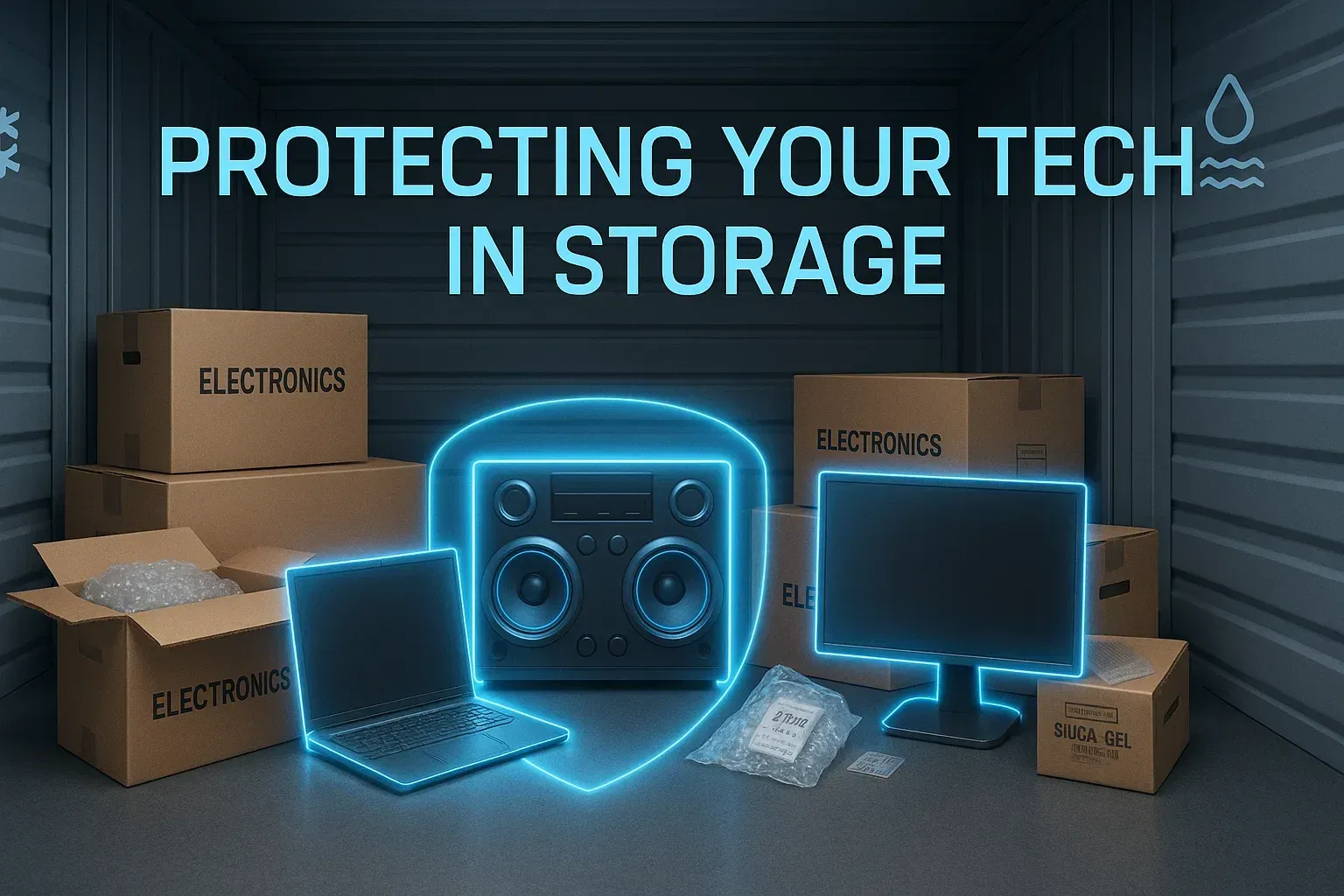
graphic of common personal electronics in a storage unit
By Josh Summerhays December 11, 2025
Devices do not forgive sloppy handling. Replacing a vintage stereo or a custom gaming tower is expensive, and some pieces are impossible to find again. With a basic plan, even a storage calendar , and a little patience, you can pull everything back out later, plug it in, and feel that quiet relief when the screen lights the way it should. Before we get started on electronic storage, know that climate-controlled storage is a great option to store furniture without damage , as well as for small business who need self storage . Understanding the Risks Storing electronics comes with challenges. Devices face threats in a storage facility that can turn a working unit into a dead weight. Temperature fluctuations make materials expand and contract. Internal components such as solder joints weaken, while sensitive components like circuit boards can fail under stress. Humidity is worse. Moisture creeps into seams, encourages corrosion, and raises humidity levels that damage sensitive electronics. Dust isn’t neutral either—it settles into vents, clogs fans, and coats circuit boards. Even static electricity or electrostatic discharge can destroy a chip instantly. Pests and rodents can chew wires, leading to physical damage. The value here isn’t just monetary. Valuable electronics often hold important data or memories. A computer may contain irreplaceable photos and records. Protecting them with electronics storage practices ensures your valuable devices are stored properly and remain functional. Choosing the Right Storage Unit The room you pick makes a difference. A climate-controlled storage unit protects electronics against harmful effects of extreme temperatures and extreme cold or high temperatures. Climate controlled storage keeps the air conditioning steady, prevents condensation, and maintains safe humidity levels. Most experts recommend you choose climate-controlled storage if you’re storing electronics for more than short term storage. Climate controlled units provide the perfect solution for keeping devices stable. Security also matters. Electronics are easy to resell, so pick a self-storage unit with security cameras, gated entry, and lighting. The right storage unit should also provide extra protection with enough extra space for airflow. Remember: storage units offer peace of mind only when chosen carefully. Preparing Electronics for Storage Preparation is most of the job in packing electronics. Start by cleaning each device—use compressed air to remove dust and a cotton cloth to wipe screens. Always remove dust before boxing items. Back up important data before packing. Losing files is worse than replacing a device. Store backups on the cloud or external drives. Remove batteries from all devices. A leaking cell can damage components permanently. Always store batteries separately in cool, dry places. This applies to laptops, remote controls, and digital cameras. Packing Electronics Properly Whenever possible, use original packaging. If that’s not available, use sturdy boxes and protective packing materials like foam, bubble wrap, and packing paper. Wrap sensitive electronics in anti-static bags to protect them from static electricity. Even loose circuit boards or computer monitors benefit from this. Storing electronics in a sealed box can help protect them from dust and environmental hazards. Add silica gel packets inside boxes to control humidity levels and replace them when they reach saturation. This extra step helps keep electronics safe and prevents moisture from harming sensitive components. Screens should stay upright. Use bubble wrap or blankets to prevent scratches. For desktops, secure heavy internal components separately to avoid rattling inside. Always properly store devices with care to prevent scratches and other damage. Storage Best Practices Placement inside the storage unit matters. Never set devices directly on the floor—use pallets or shelves for extra protection. Keep valuable electronics away from storage unit doors, where temperature fluctuations are worst. Store your electronics in labeled boxes. Keep an inventory list with serial numbers to simplify insurance claims later. This also helps if you need to store items long term or want to test devices periodically. Periodically inspect devices for corrosion, pests, or other issues. Replace silica gel packets when needed. Also, consider testing stored items occasionally to make sure they still work. Insurance for Stored Electronics Even when electronics are stored properly, things happen. Insurance for stored electronics provides coverage if a storage facility is damaged by fire, floods, vandalism, or other extreme conditions. Insuring expensive electronics protects you from unexpected losses. Insurance for stored electronics can often be purchased directly from your storage company. Some providers even offer gadget insurance that covers other electronics excluded under renters or homeowners policies. Keep an inventory list with receipts and photos to simplify any insurance claims. Always review deductibles and exclusions—some policies may not cover theft or mysterious loss. Conclusion Learning how to store electronics in storage unit settings comes down to planning. Clean devices, remove batteries, use anti-static bags, add silica gel packets, and always rely on a climate-controlled unit. Keep an updated inventory list for insurance and store your electronics in a way that allows airflow and avoids extreme conditions. When electronics are stored properly, you prevent scratches, reduce harmful effects from dust and heat, and keep sensitive electronics safe until you need them again. For many, the small cost of climate-controlled storage is the perfect solution—offering both peace of mind and protection for your most valuable devices.
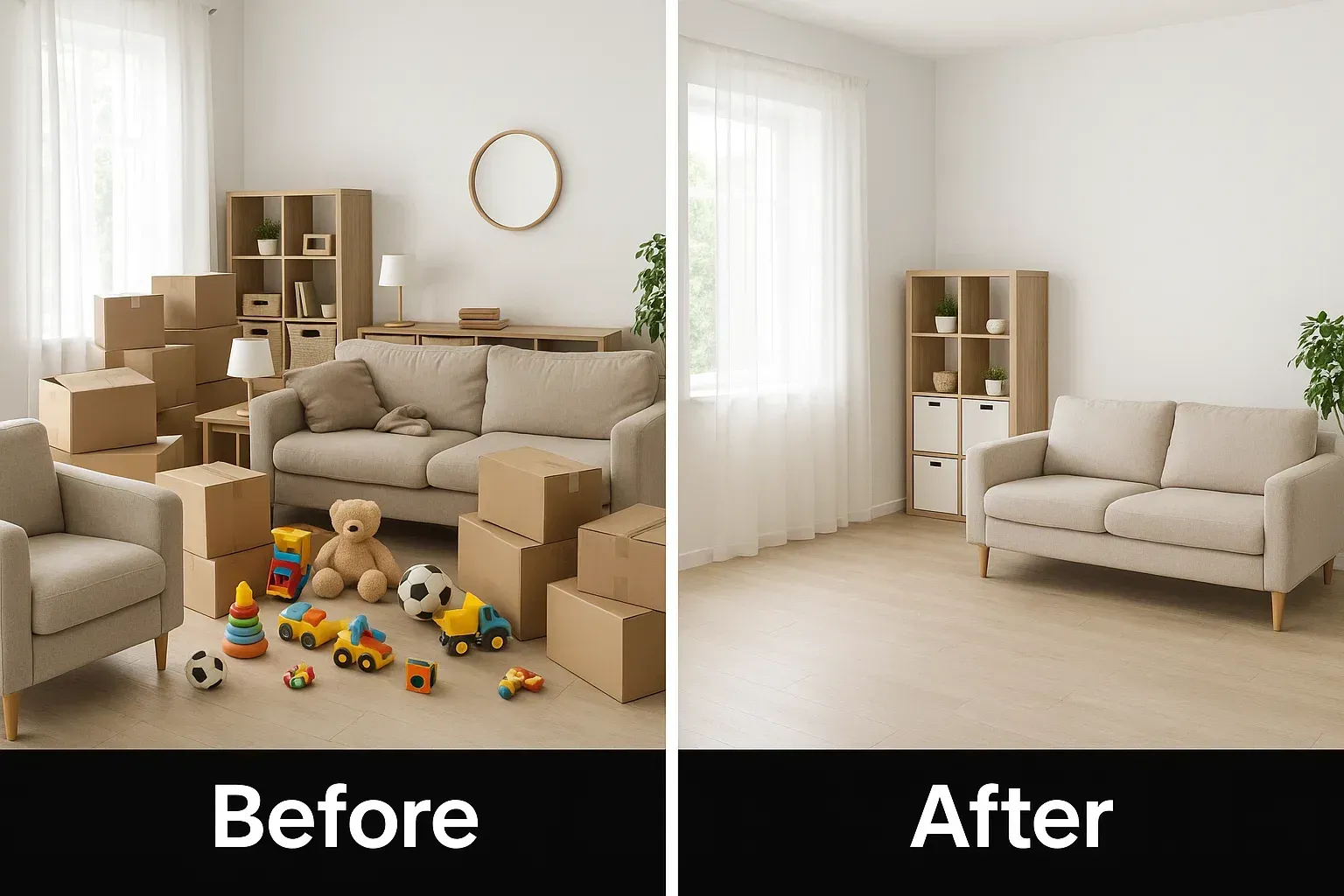
Staged living room with minimal furniture after using self storage to declutter before selling a hom
November 20, 2025
Discover how decluttering with self storage, professional home staging, and added storage space can help your house sell faster and for a higher price.

A serene lake surrounded by lush green grass and dense evergreen forest under a bright blue sky with fluffy white clouds.
By Jon Knoder November 18, 2025
Irmo offers a practical lifestyle supported by reasonable costs, strong schools, outdoor recreation, and a friendly residential environment. Learn more!
Prohibited Items in Self-Storage: What You Can't Store
By Freda Levi August 21, 2025
Wondering what you can’t put in a storage unit? From gas cans and paint to food, plants, and valuables, here’s what facilities ban and why the rules matter.
How to Store Furniture Without Damage
By Freda Levi August 21, 2025
Learn how to store furniture in a storage unit the right way. These tips help protect wood, leather, and upholstery from damage, moisture, and pests.
Business Storage 101: How Small Businesses Use Self-Storage
By Admin August 20, 2025
Discover how small businesses use self storage to cut costs, stay organized, and scale without long-term leases. Flexible, secure storage that works when you need it.
Why College Students Love Self Storage (and How to Use It Right)
By Admin August 19, 2025
College students love self storage for the flexibility and affordability. Learn the top reasons it’s so popular and how to use it the right way.
ZTop 5 Mistakes to Avoid When Renting a Storage Unit
By Admin August 19, 2025
Avoid common storage mistakes before you rent. Discover the top 5 errors people make when choosing a storage unit and learn how to make the right choice the first time.
Show More