
Compare storage options for electronics in Irmo, SC and learn how climate control, proper packing, shelving, and careful placement can help protect your devices.

Learn the differences between climate-controlled and non-climate-controlled storage, what items belong in each, and how to choose the best option in Irmo, SC.
Plan an Irmo downsizing project with practical storage tips for sorting, staging, and choosing space at PrimeSpace Storage.

Is Your Home in Construction Mode? Here’s How Storage Can Keep Your Renovation in Irmo Under Control
Discover how storage units simplify home renovations in Irmo, SC by protecting furniture, reducing clutter, and keeping your project organized from start to finish.

Discover how self-storage with climate control protects valuables from heat and humidity. A complete guide for storing belongings safely.
Learn how to properly store a washing machine with step-by-step guidance. Protect your appliance from moisture and damage.

Reclaim your space and peace of mind. PrimeSpace Storage helps you clear clutter, store belongings safely, and make your home feel like home again.
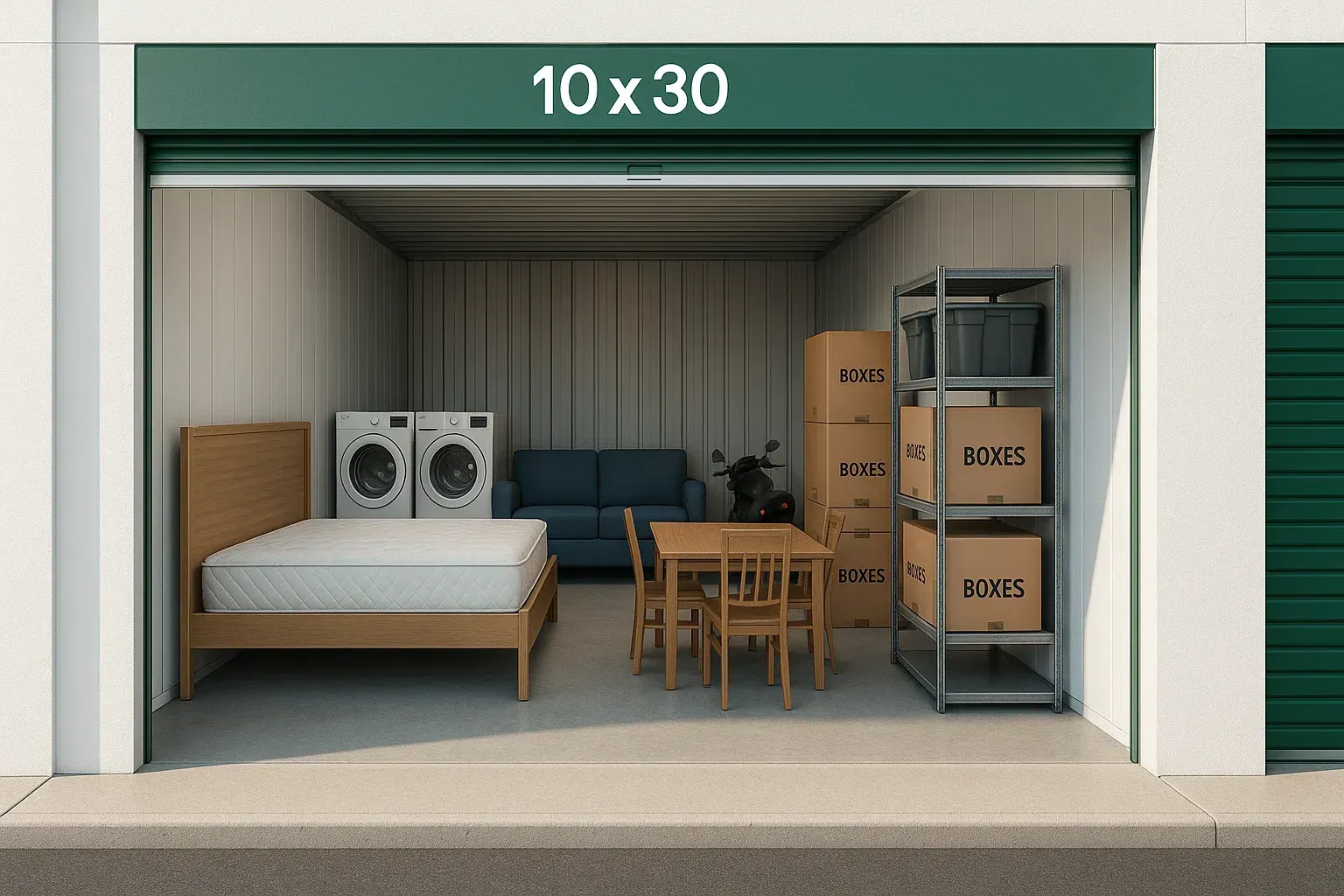
A 10x30 storage unit represents one of the most versatile and spacious options available, offering a perfect balance of capacity for users.
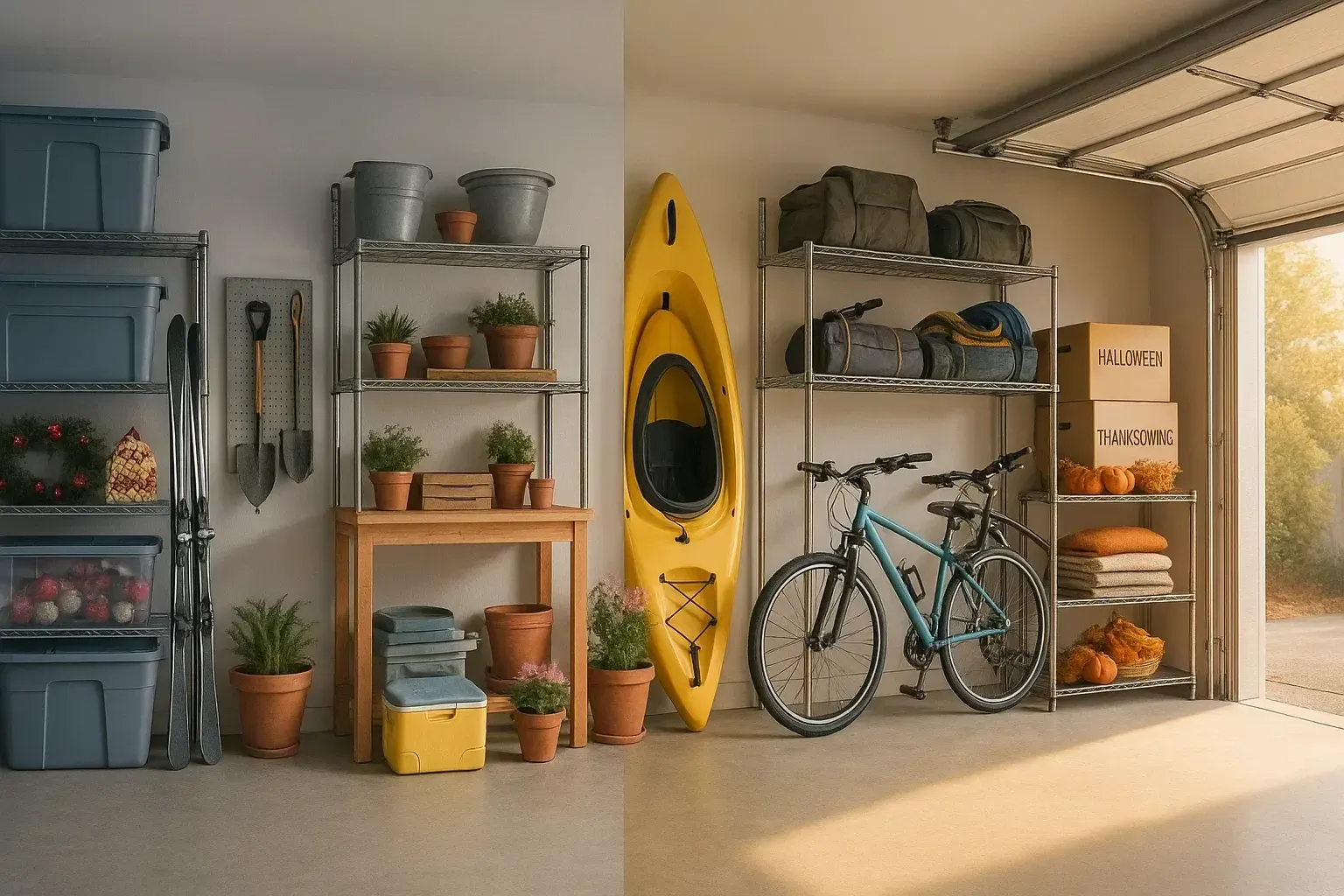
Get organized year-round with this 12-month storage calendar. Learn when to store, rotate, and retrieve seasonal items for a clutter-free home.
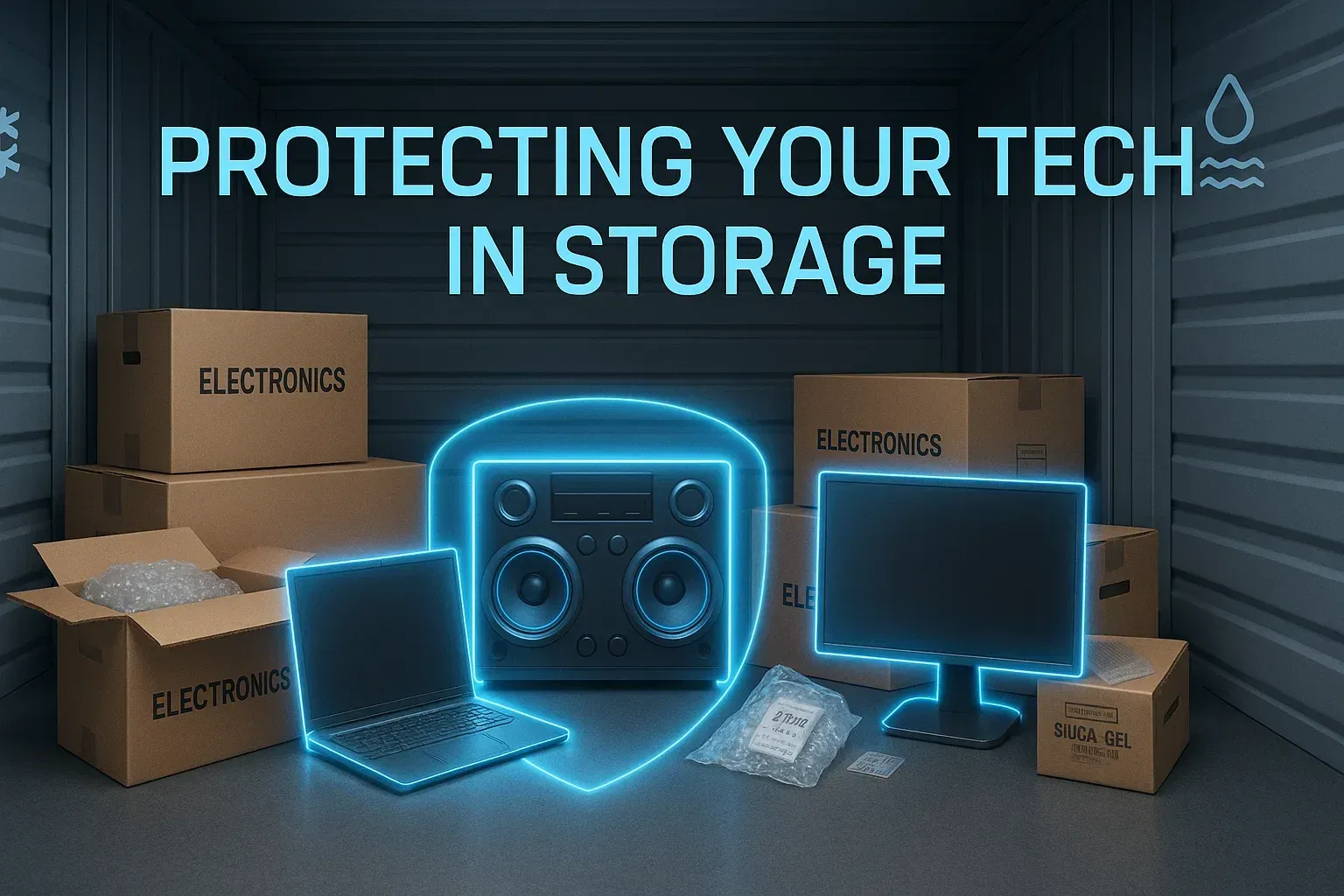
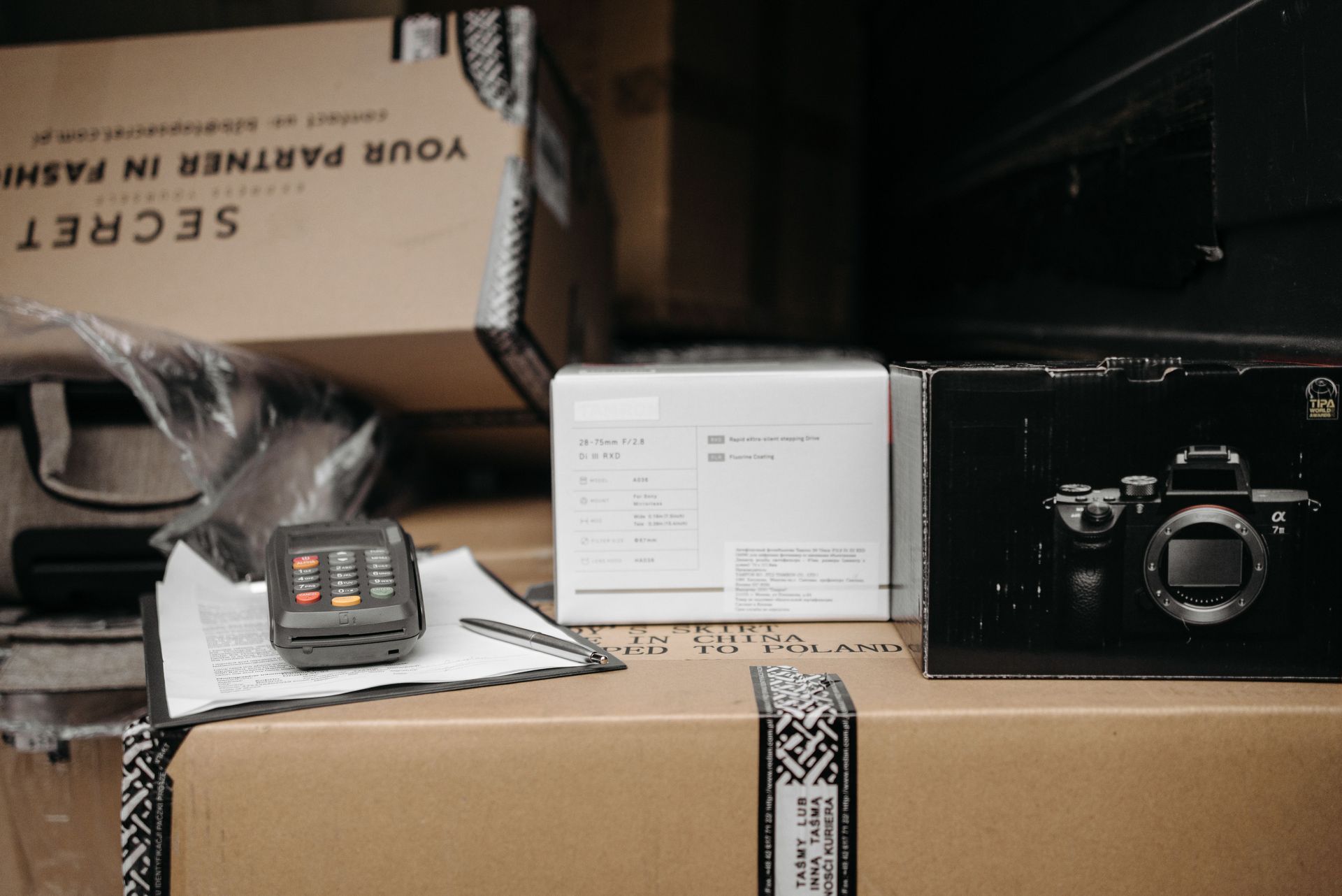
Devices do not forgive sloppy handling. Replacing a vintage stereo or a custom gaming tower is expensive, and some pieces are impossible to find again. With a basic plan, even a storage calendar , and a little patience, you can pull everything back out later, plug it in, and feel that quiet relief when the screen lights the way it should. Before we get started on electronic storage, know that climate-controlled storage is a great option to store furniture without damage , as well as for small business who need self storage . Understanding the Risks Storing electronics comes with challenges. Devices face threats in a storage facility that can turn a working unit into a dead weight. Temperature fluctuations make materials expand and contract. Internal components such as solder joints weaken, while sensitive components like circuit boards can fail under stress. Humidity is worse. Moisture creeps into seams, encourages corrosion, and raises humidity levels that damage sensitive electronics. Dust isn’t neutral either—it settles into vents, clogs fans, and coats circuit boards. Even static electricity or electrostatic discharge can destroy a chip instantly. Pests and rodents can chew wires, leading to physical damage. The value here isn’t just monetary. Valuable electronics often hold important data or memories. A computer may contain irreplaceable photos and records. Protecting them with electronics storage practices ensures your valuable devices are stored properly and remain functional. Choosing the Right Storage Unit The room you pick makes a difference. A climate-controlled storage unit protects electronics against harmful effects of extreme temperatures and extreme cold or high temperatures. Climate controlled storage keeps the air conditioning steady, prevents condensation, and maintains safe humidity levels. Most experts recommend you choose climate-controlled storage if you’re storing electronics for more than short term storage. Climate controlled units provide the perfect solution for keeping devices stable. Security also matters. Electronics are easy to resell, so pick a self-storage unit with security cameras, gated entry, and lighting. The right storage unit should also provide extra protection with enough extra space for airflow. Remember: storage units offer peace of mind only when chosen carefully. Preparing Electronics for Storage Preparation is most of the job in packing electronics. Start by cleaning each device—use compressed air to remove dust and a cotton cloth to wipe screens. Always remove dust before boxing items. Back up important data before packing. Losing files is worse than replacing a device. Store backups on the cloud or external drives. Remove batteries from all devices. A leaking cell can damage components permanently. Always store batteries separately in cool, dry places. This applies to laptops, remote controls, and digital cameras. Packing Electronics Properly Whenever possible, use original packaging. If that’s not available, use sturdy boxes and protective packing materials like foam, bubble wrap, and packing paper. Wrap sensitive electronics in anti-static bags to protect them from static electricity. Even loose circuit boards or computer monitors benefit from this. Storing electronics in a sealed box can help protect them from dust and environmental hazards. Add silica gel packets inside boxes to control humidity levels and replace them when they reach saturation. This extra step helps keep electronics safe and prevents moisture from harming sensitive components. Screens should stay upright. Use bubble wrap or blankets to prevent scratches. For desktops, secure heavy internal components separately to avoid rattling inside. Always properly store devices with care to prevent scratches and other damage. Storage Best Practices Placement inside the storage unit matters. Never set devices directly on the floor—use pallets or shelves for extra protection. Keep valuable electronics away from storage unit doors, where temperature fluctuations are worst. Store your electronics in labeled boxes. Keep an inventory list with serial numbers to simplify insurance claims later. This also helps if you need to store items long term or want to test devices periodically. Periodically inspect devices for corrosion, pests, or other issues. Replace silica gel packets when needed. Also, consider testing stored items occasionally to make sure they still work. Insurance for Stored Electronics Even when electronics are stored properly, things happen. Insurance for stored electronics provides coverage if a storage facility is damaged by fire, floods, vandalism, or other extreme conditions. Insuring expensive electronics protects you from unexpected losses. Insurance for stored electronics can often be purchased directly from your storage company. Some providers even offer gadget insurance that covers other electronics excluded under renters or homeowners policies. Keep an inventory list with receipts and photos to simplify any insurance claims. Always review deductibles and exclusions—some policies may not cover theft or mysterious loss. Conclusion Learning how to store electronics in storage unit settings comes down to planning. Clean devices, remove batteries, use anti-static bags, add silica gel packets, and always rely on a climate-controlled unit. Keep an updated inventory list for insurance and store your electronics in a way that allows airflow and avoids extreme conditions. When electronics are stored properly, you prevent scratches, reduce harmful effects from dust and heat, and keep sensitive electronics safe until you need them again. For many, the small cost of climate-controlled storage is the perfect solution—offering both peace of mind and protection for your most valuable devices.