Your Belongings Deserve the Right Environment: Climate Controlled vs. Standard Storage Explained
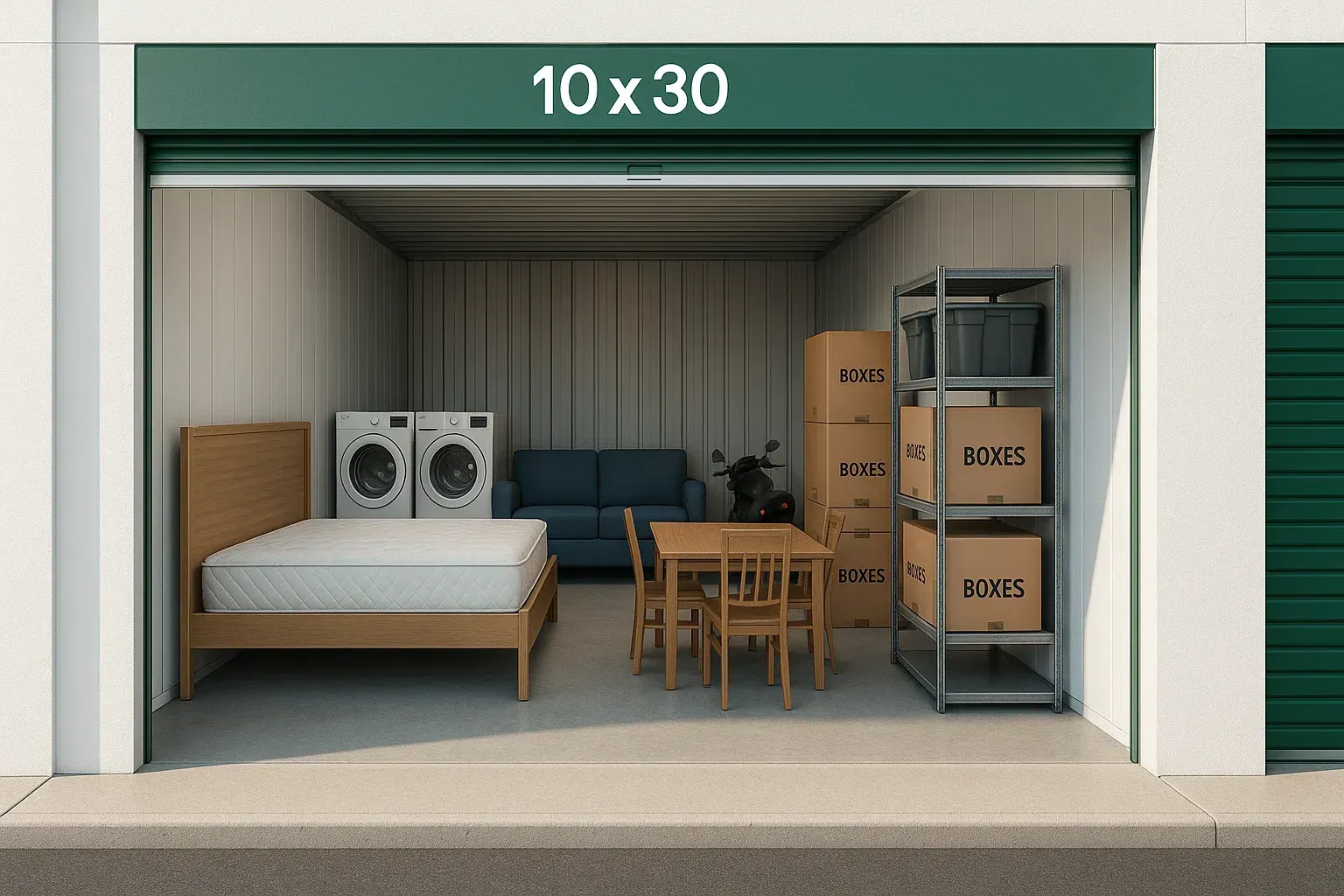
Choosing a storage unit often starts with one simple question: "How much space do I need?" While size certainly matters, there is another decision that can have an even greater impact on your belongings over time. The type of storage environment you choose can make all the difference in preserving furniture, electronics, family keepsakes, business records, and other valuable possessions.
Many people assume all storage units are essentially the same, but that is not the case. Climate-controlled storage and standard storage each serve different purposes, and understanding the advantages of both can help you protect your belongings while avoiding unnecessary expenses. The best option depends on what you plan to store, how long your items will remain in storage, and how sensitive those belongings are to changing environmental conditions. If you're exploring storage options in Irmo, taking a few extra minutes to understand these differences can save you from damaged furniture, warped wood, moldy documents, or costly replacements later. Fortunately, choosing the right unit becomes much easier once you know what each storage type is designed to do.
Key Points for Readers Short on Time
- Climate-controlled storage maintains a more stable indoor environment that helps protect temperature and humidity-sensitive belongings.
- Standard storage is an excellent choice for durable household items, outdoor equipment, and belongings that are less affected by environmental changes.
- Wood furniture, electronics, documents, artwork, musical instruments, and collectibles are often better suited for climate-controlled storage.
- The longer your belongings remain in storage, the more valuable climate control becomes for preserving their condition.
- Choosing the right storage unit depends on what you're storing, not simply on your budget.
Why Storage Conditions Matter More Than Most People Realize
When people pack a storage unit, they usually focus on organizing boxes, wrapping furniture, and maximizing every square foot. Those are all important steps, but one factor is often overlooked: the environment surrounding those belongings every day they remain in storage. Unlike items sitting inside your home, belongings placed into storage may remain untouched for several months or even several years. During that time, furniture, fabrics, paper, leather, wood, and electronics continue reacting to their surroundings. Materials naturally expand, contract, absorb moisture, and dry out depending on the environment around them.
This gradual process happens so slowly that most people never notice until they finally open their storage unit months later. A wooden dresser may have developed small cracks. Family photographs may have curled. Leather furniture could feel dry and brittle. Electronics might show signs of internal corrosion despite never being turned on. These situations are exactly why different storage options exist. Matching your belongings to the appropriate environment helps reduce unnecessary wear and preserves the condition of items you plan to use again.
What Is Climate-Controlled Storage?
Climate-controlled storage is designed to maintain a relatively consistent indoor temperature while also helping manage humidity levels throughout the year. Rather than allowing the interior environment to fluctuate dramatically with changing outdoor conditions, these units provide a much more stable atmosphere. Although every facility operates somewhat differently, climate-controlled storage generally keeps temperatures within a moderate range that is comfortable for both people and delicate belongings. Just as importantly, it helps reduce excessive moisture that can slowly damage certain materials over time.
This type of storage is commonly located inside enclosed buildings, providing another layer of protection from dust, dirt, and outside conditions. While the primary benefit is environmental stability, many customers also appreciate the cleaner indoor setting when accessing their belongings. According to the Self Storage Association, climate-controlled storage is particularly recommended for items that may be damaged by prolonged exposure to changing temperatures or humidity, especially during long term storage.
What is Non-Climate-Controlled Storage?
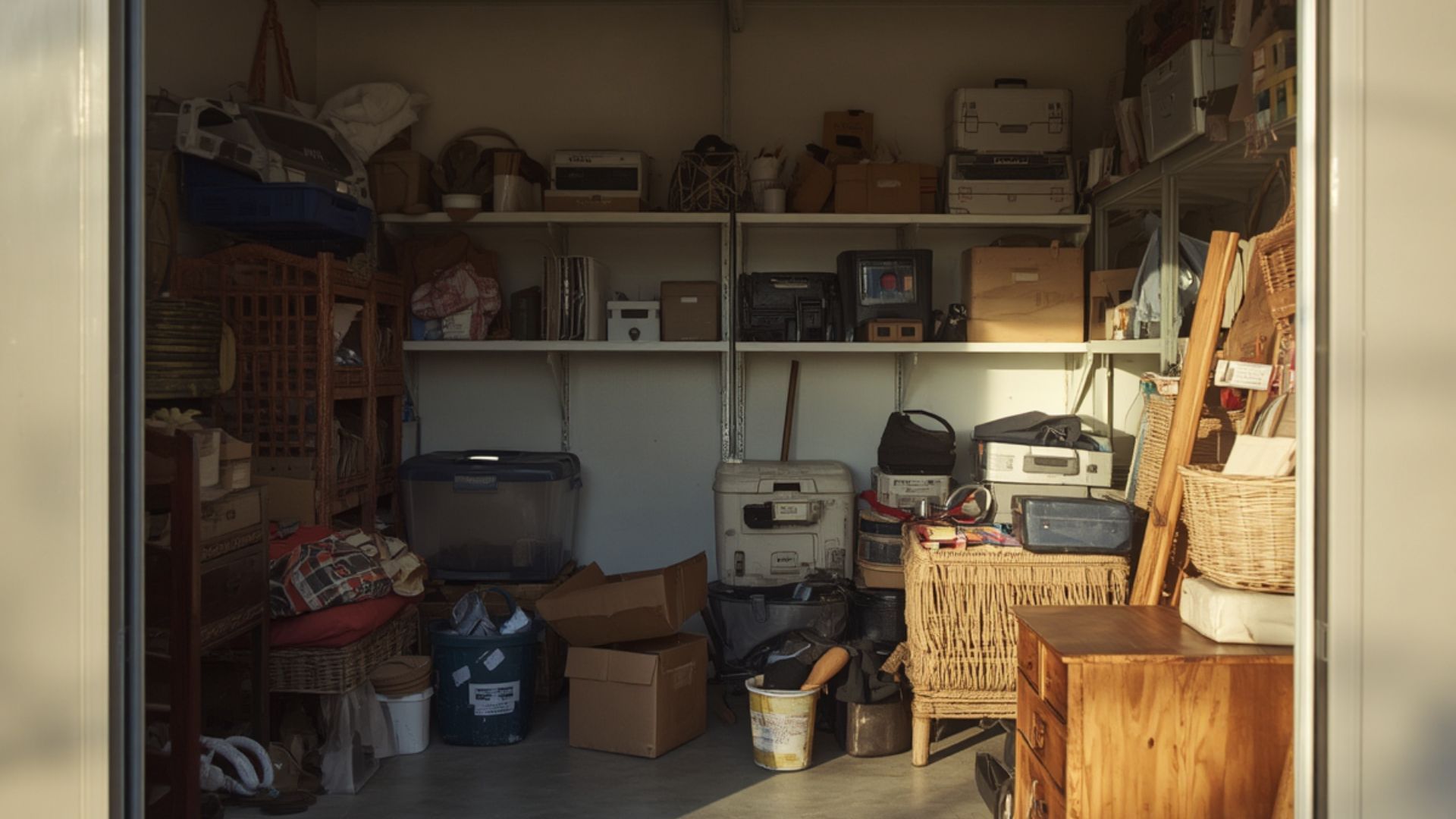
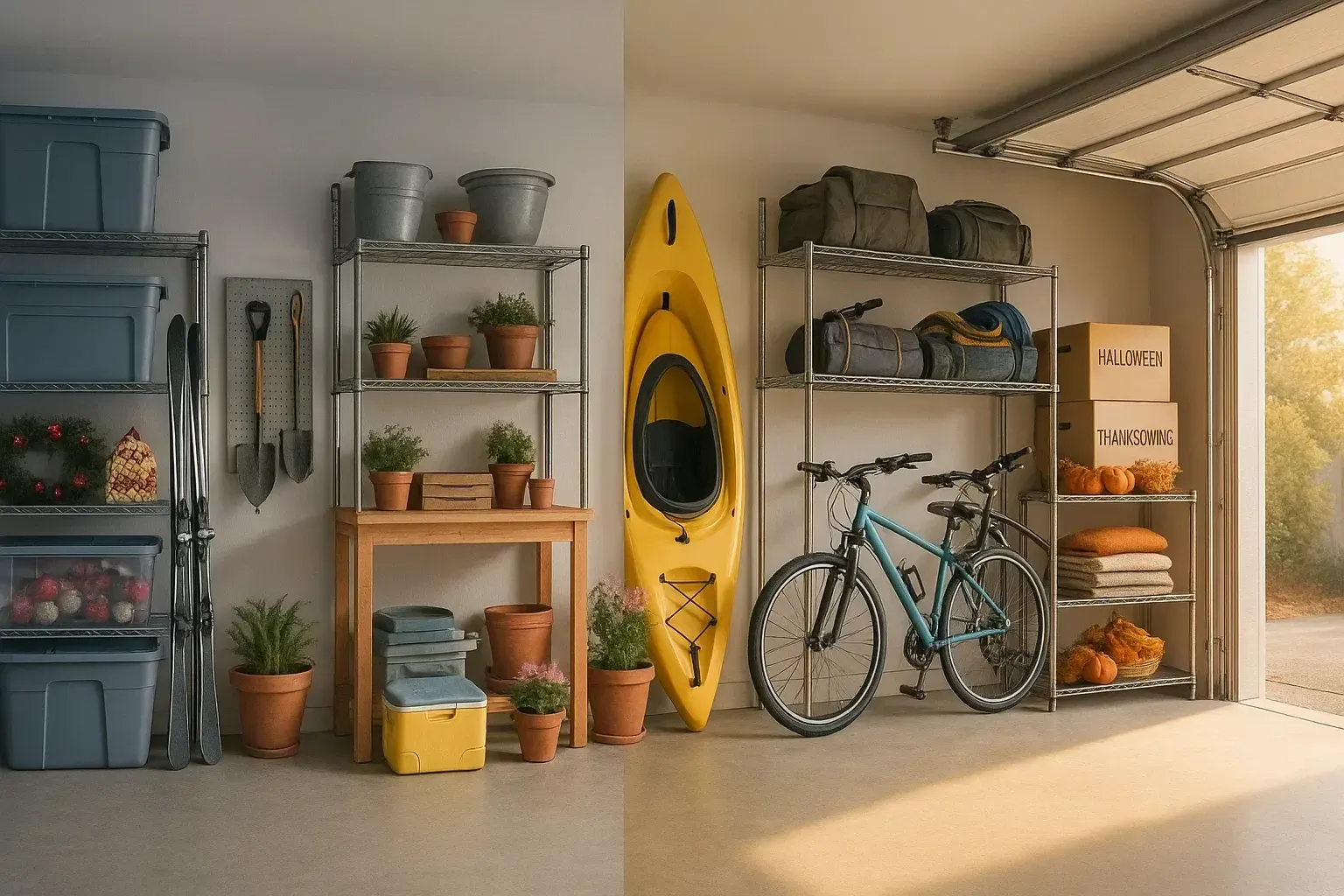
Standard, or non-climate-controlled, storage is exactly what many people picture when they think about self-storage. These units provide secure, convenient space without actively regulating indoor temperature or humidity. That does not make them inferior. In fact, for many storage situations, they are the perfect solution. Many everyday belongings are durable enough that they simply do not require environmental controls. Outdoor furniture, lawn equipment, camping gear, bicycles, gardening supplies, plastic storage containers, and many garage items store perfectly well inside a clean standard storage unit.
Since these units generally cost less than climate-controlled options, they provide excellent value for customers storing sturdy items that are not particularly sensitive to environmental changes. The important point is understanding that different belongings have different storage needs. Not everything benefits equally from climate control.
The Biggest Difference Comes Down to Stability
People often assume climate-controlled storage is mainly about keeping items cool or warm. In reality, the biggest benefit is consistency. Many materials react poorly when environmental conditions constantly change. Wood expands when it absorbs moisture and contracts as it dries. Leather can stiffen or crack over time. Paper absorbs humidity and may become warped or develop mildew. Fabric can trap moisture, leading to unpleasant odors if stored for extended periods. A climate-controlled unit minimizes these fluctuations, creating a much steadier environment that reduces long-term stress on delicate materials.
Standard storage, on the other hand, allows conditions inside the unit to change naturally throughout the year. That creates no problems for many durable belongings, but more delicate possessions may gradually deteriorate if left there for long periods. The difference is similar to storing a favorite book inside your living room versus leaving it in a garage for several years. While both locations keep the book dry, one offers a much more stable environment for preserving its condition.
Items That Benefit Most From Climate-Controlled Storage
Not every possession requires climate control, but some belongings benefit tremendously from the additional protection. In many cases, these are also the items that would be the most expensive or emotionally difficult to replace.
Wood Furniture
Wood remains one of the most environmentally sensitive materials found inside most homes. Dining tables, antique cabinets, dressers, bed frames, bookshelves, and handcrafted furniture naturally absorb and release moisture over time. Repeated expansion and contraction can eventually cause joints to loosen, finishes to crack, drawers to stick, and wood panels to warp. If you've invested in quality furniture or inherited family heirlooms, climate-controlled storage helps preserve their appearance and structural integrity while they're being stored.
Electronics
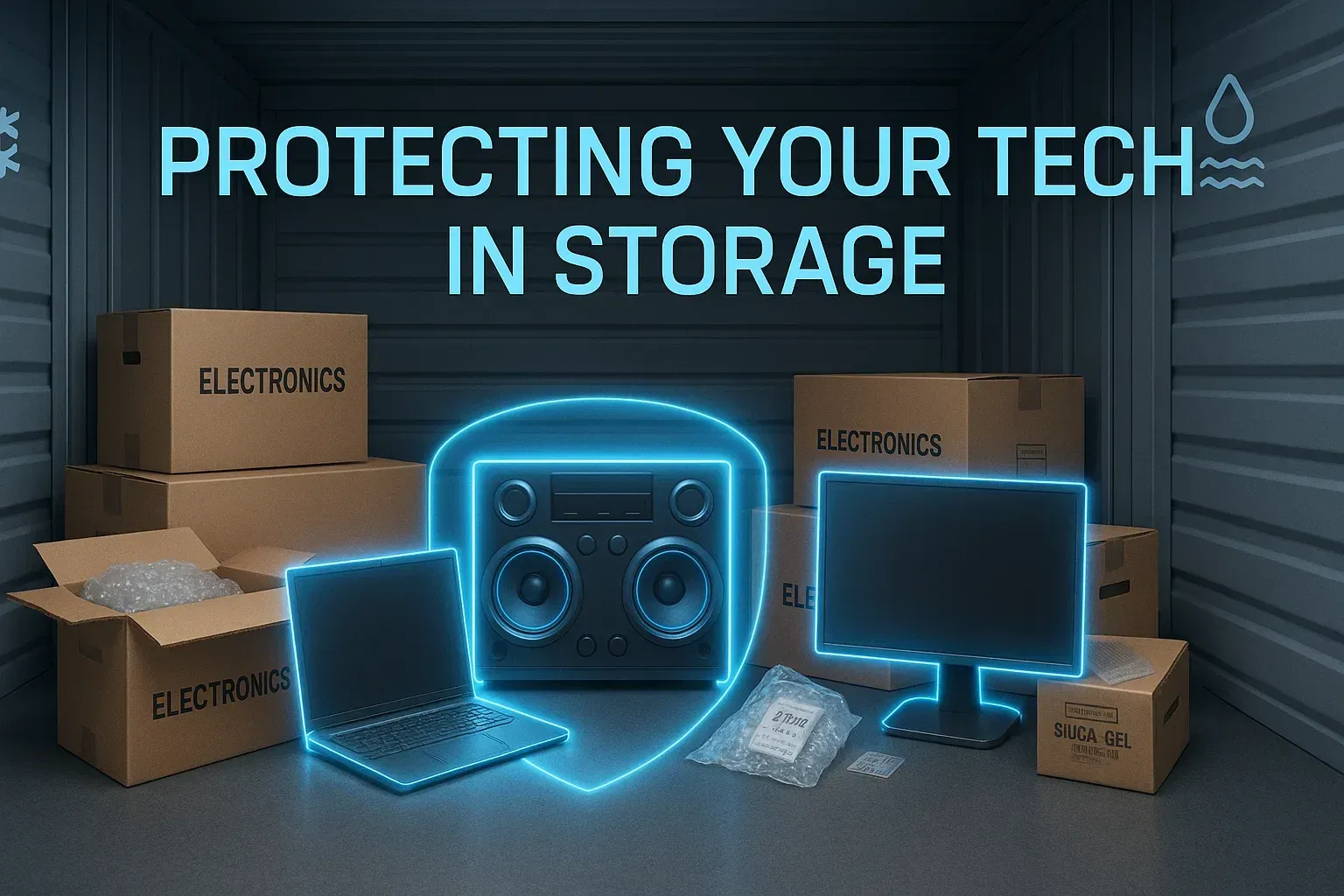
Modern electronics contain intricate circuit boards and metal components that are vulnerable to moisture over time. Televisions, desktop computers, gaming consoles, cameras, printers, speakers, monitors, and home office equipment all represent significant investments. Even if these items remain unplugged for months, humidity can contribute to corrosion that may affect performance later. Choosing climate-controlled storage adds an extra layer of protection for devices you intend to use again.
Important Documents and Photographs
Some possessions simply cannot be replaced. Family photo albums, birth certificates, passports, tax records, legal paperwork, historical documents, diplomas, scrapbooks, and handwritten letters often carry more sentimental value than financial value. Paper naturally absorbs moisture, making it susceptible to curling, discoloration, mildew, and deterioration. Climate-controlled storage helps preserve these irreplaceable memories for years to come.
Musical Instruments
Whether you own an acoustic guitar, violin, cello, clarinet, or piano, musical instruments are carefully crafted using materials that respond to environmental changes. Wooden components may shift, finishes can become damaged, and adhesives may weaken over time. Even tuning stability can be affected after prolonged exposure to fluctuating conditions. For musicians, climate-controlled storage is often one of the safest options available.
Artwork and Collectibles
Collectors spend years building collections that often become more valuable over time. Paintings, comic books, trading cards, antiques, wine collections, vintage toys, sports memorabilia, stamps, and coins all deserve careful storage. Many of these items contain paper, fabric, cardboard, adhesives, or delicate finishes that benefit from a more stable environment.
When Standard Storage Makes Perfect Sense
Climate-controlled storage certainly offers advantages, but that does not mean every customer needs it. Standard storage remains one of the most practical and affordable solutions for storing durable belongings that are built to withstand changing conditions. Items commonly suited for standard storage include:
- Lawn mowers
- Outdoor furniture
- Metal shelving
- Plastic storage totes
- Gardening equipment
- Bicycles
- Tires
- Power tools
- Camping gear
- Patio decorations
- Sports equipment
- Holiday decorations
- Aluminum ladders
These items generally tolerate environmental fluctuations much better than delicate household belongings. Even so, preparation still matters. Cleaning belongings thoroughly before storage, allowing equipment to dry completely, and using quality storage containers will help protect your possessions regardless of which type of storage you choose.
Storage Duration Can Change Your Decision
One factor many people overlook is how long their belongings will actually remain in storage. It is common to rent a storage unit expecting to need it for only a month or two. Then life happens. Construction projects run behind schedule. Home purchases take longer than expected. Family transitions become more complicated. Business inventory stays stored through another season. What was originally planned as short-term storage often becomes six months or even several years.
As storage time increases, so does the value of environmental stability. Items that might tolerate a few weeks inside a standard storage unit could gradually experience wear if stored for much longer. Thinking beyond your original timeline helps you choose a storage solution that continues protecting your belongings if plans change.
Think About Replacement Value Instead of Purchase Price
One helpful way to decide between storage options is by asking yourself a simple question. "If this item were damaged, how difficult would it be to replace?" Sometimes the answer has very little to do with money. A family photo album may cost almost nothing to print today, yet losing decades of memories would be devastating. An antique rocking chair inherited from a grandparent may not carry a high resale value, but it cannot truly be replaced. Likewise, handmade furniture, original artwork, childhood keepsakes, military memorabilia, and family heirlooms deserve consideration beyond their financial worth. When sentimental value enters the equation, climate-controlled storage often becomes an easy decision.
Storage During Major Life Changes
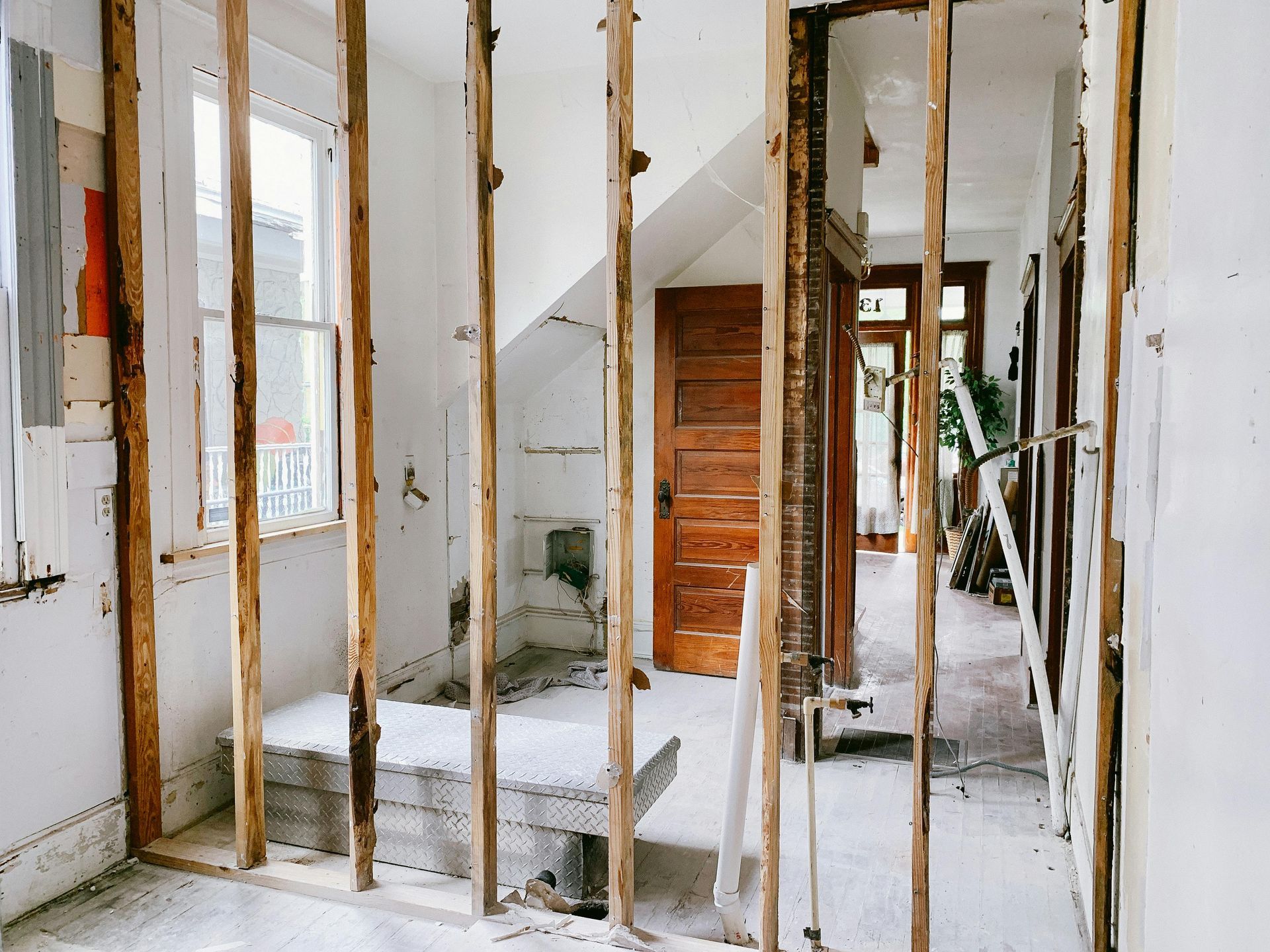
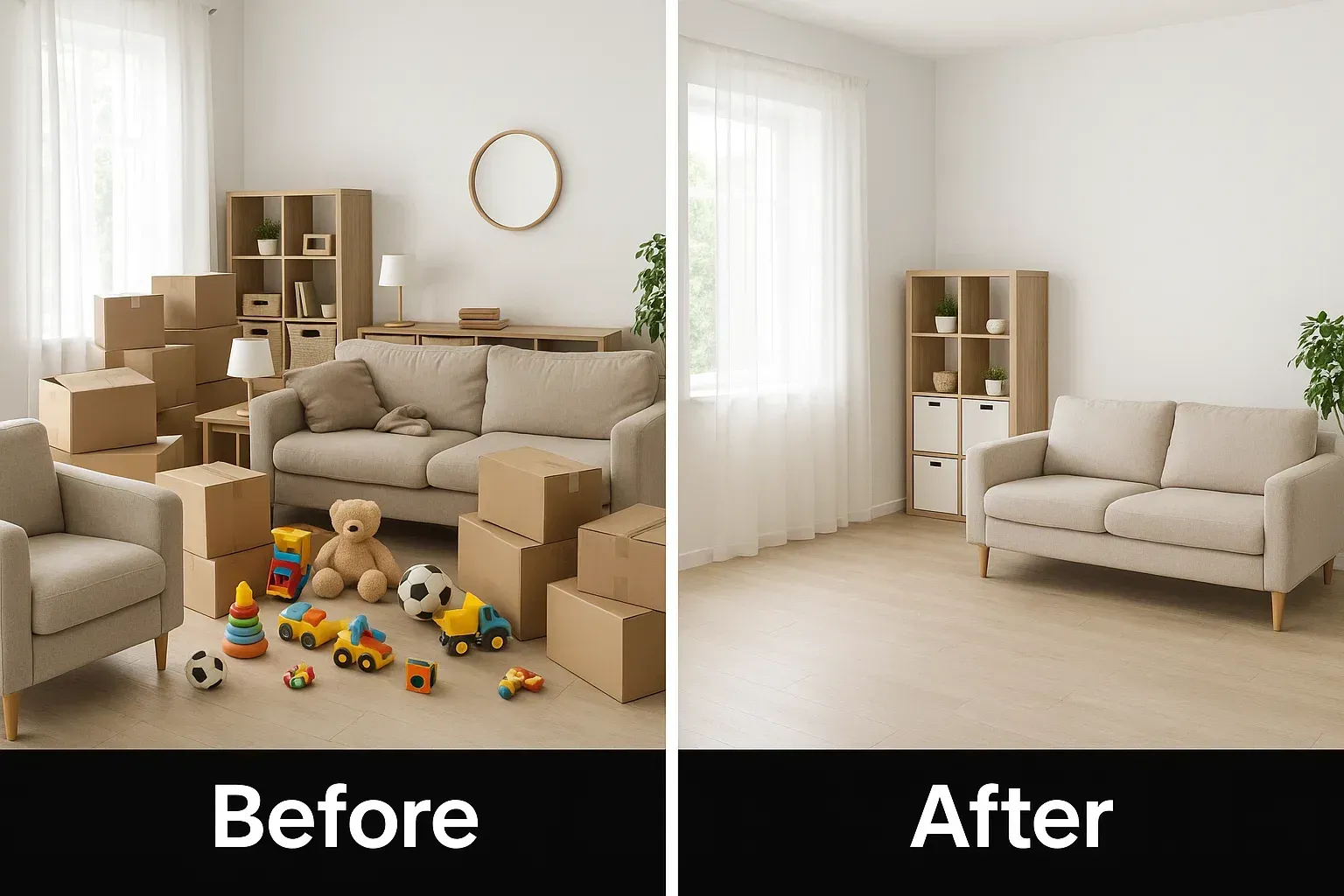
Life transitions often create the greatest need for temporary storage, and those transitions frequently last longer than expected. Home renovations, for example, require furniture, electronics, artwork, and household belongings to be moved out of living spaces while work is completed. During these projects, protecting valuable possessions becomes just as important as creating room for contractors. If you're preparing for a remodeling project, this guide about storage during home renovation in Irmo, SC, explains how temporary storage can help protect your belongings while making renovations more manageable. Similarly, downsizing often involves making thoughtful decisions about which possessions stay at home and which are worth keeping for the future. Storage allows families to move at their own pace without feeling pressured to permanently part with meaningful belongings. This article on using storage during a downsizing project in Irmo offers helpful strategies for navigating that process while staying organized.
Enjoy More of Irmo While Your Storage Stays Organized
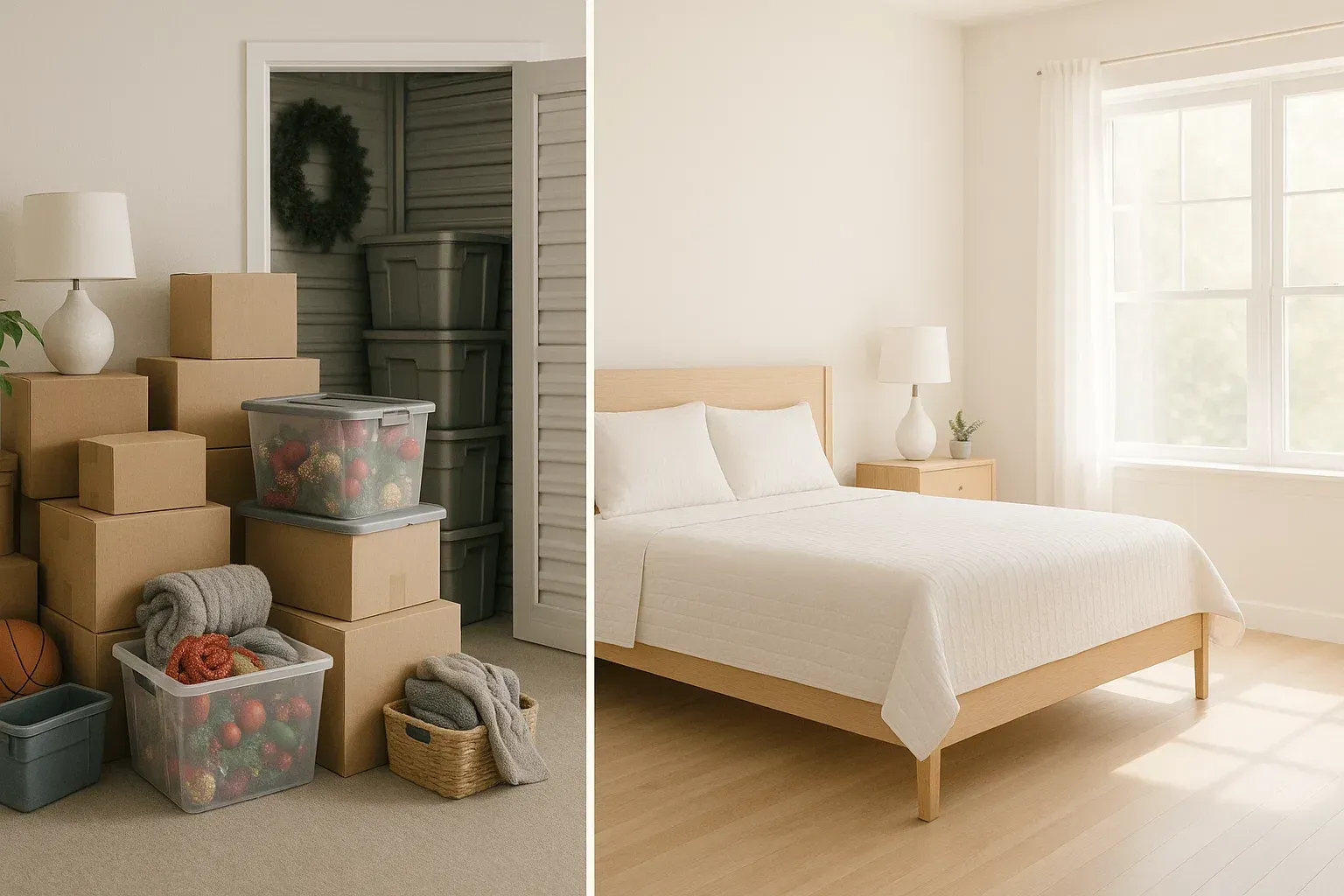
One of the overlooked benefits of renting a storage unit is the freedom it creates at home. Instead of filling spare bedrooms, garages, and closets with seasonal equipment or infrequently used belongings, you gain room to enjoy your living space while knowing those items remain safely stored. That extra space becomes especially valuable in a community like Irmo, where residents enjoy spending time outdoors. Lake Murray is one of South Carolina's most popular recreation areas, offering boating, fishing, paddleboarding, kayaking, and lakeside parks throughout the year. Another favorite destination is Saluda Shoals Park, where visitors enjoy walking trails, canoe launches, playgrounds, picnic areas, and educational nature programs. Keeping bulky recreational equipment, seasonal decorations, or extra household furniture in storage can make it much easier to enjoy weekends exploring Irmo instead of constantly reorganizing your home.
Questions to Ask Before Choosing a Storage Unit
If you're still unsure which option is right for you, consider these questions before making your decision.
- Will these belongings remain in storage for several months or longer?
- Are they made from wood, leather, fabric, paper, or sensitive electronic components?
- Would moisture cause permanent damage?
- Are these items difficult or impossible to replace?
- Do they hold sentimental value for your family?
If you answered yes to several of these questions, climate-controlled storage is likely worth considering. If most of your belongings consist of outdoor equipment, durable household goods, or garage items, standard storage may provide everything you need while keeping costs lower.
Choosing the Storage Solution That Fits Your Belongings
The best storage decision is rarely about choosing the most expensive option. Instead, it is about selecting the environment that matches what you plan to store. Many customers actually benefit from a combination of both approaches. Valuable furniture, electronics, important documents, and collectibles may belong in climate-controlled storage, while lawn equipment, patio furniture, and durable household items fit comfortably inside a standard unit. By taking inventory before moving day and thinking carefully about the materials your belongings are made from, you can confidently choose the storage solution that protects what matters most. If you're comparing
storage options in Irmo, understanding the differences between climate-controlled and non-climate-controlled storage makes it much easier to find a unit that supports both your belongings and your long term plans without paying for features you may not need.

Is Your Home in Construction Mode? Here’s How Storage Can Keep Your Renovation in Irmo Under Control