
Winter Storage in Irmo, SC: Why Climate Control Matters Even When Winters Are Mild

Josh Summerhays • October 21, 2026

Winter in Irmo, South Carolina, doesn't usually bring the prolonged freezing conditions experienced farther north. Still, cooler temperatures don't eliminate the risks that moisture and changing indoor conditions pose to belongings kept in garages, sheds, or other unconditioned spaces. Furniture, electronics, and important documents can all be affected by their storage environment, even during a relatively mild winter.


If you're planning to put away seasonal belongings, clear space before the holidays, or store furniture during a home project, choosing the right environment matters. At Prime Space Storage, we offer climate-controlled storage options in Irmo for belongings that benefit from more consistent indoor conditions. Our facility on Broad River Road provides several unit sizes for household items, furniture, and business storage needs.


Why Climate-Controlled Storage Still Matters During an Irmo Winter

A common assumption is that climate-controlled storage becomes less important once summer ends. After all, without intense summer heat, an ordinary garage or unheated storage space might seem adequate for nearly everything. But temperature is only part of the equation, and cooler conditions don't automatically mean stored belongings are protected from moisture.


Materials such as wood, paper, and leather respond to changes in the air around them. When humidity increases, some materials absorb moisture. When conditions become drier, they release it. Repeated changes can gradually affect their shape, texture, and condition, particularly when belongings remain untouched for several months.


Climate-controlled storage provides a more stable indoor environment than spaces exposed to outdoor temperature fluctuations. It reduces the environmental stress placed on sensitive belongings, though it doesn't eliminate every possible source of moisture or replace proper packing.


What Makes Climate-Controlled Storage Different?

A standard storage unit provides enclosed space for belongings, but it doesn't actively regulate the indoor temperature. Conditions inside can change with the surrounding environment, which may be acceptable for durable items that aren't particularly sensitive to heat, cold, or moisture.


Climate-controlled units are designed to maintain a more consistent indoor temperature and help manage environmental fluctuations. This distinction becomes important when storing belongings made from materials that react to changing conditions, especially over an extended period.


At Prime Space Storage, our climate-controlled units are available in several sizes, including 5x5, 5x10, 10x10, 10x15, and 10x20 options. These units are on the ground floor, which is useful when moving furniture, carrying boxes, or organizing belongings during a winter cleanout. Availability varies, so it's worth checking the current options before planning a move.


We've also covered the differences in greater detail in our guide to climate-controlled and standard storage. It explains how the contents of your unit and the length of your rental should influence the type of storage you choose.


Which Belongings Benefit Most From Climate Control During Winter?

Not everything needs a climate-controlled environment. Plastic outdoor equipment, empty storage containers, and certain durable household items may be suitable for standard storage when properly cleaned and packed. The decision becomes more important when belongings contain sensitive materials or would be expensive to repair or replace.


Wooden Furniture and Household Pieces

Wooden furniture responds to changes in moisture. Solid wood can expand as it absorbs moisture and contract when the surrounding air becomes drier. Over time, repeated changes may contribute to warping, cracking, or problems with joints and finishes.


This is worth considering when storing dining tables, dressers, wooden bed frames, or older furniture during a renovation. Before moving these pieces into storage, clean them thoroughly and allow them to dry. Remove detachable components when practical, protect exposed surfaces with breathable furniture covers, and avoid placing heavy boxes on delicate wooden pieces.


Upholstered furniture also deserves attention. Fabric and cushioning can retain moisture if an item is packed before it has dried completely. A climate-controlled environment is a sensible choice for furniture that will remain in storage throughout winter and into the warmer months.


Electronics and Home Entertainment Equipment

Televisions, computers, gaming consoles, and audio equipment contain components that don't respond well to excessive moisture or condensation. Storing these devices in an unconditioned garage for several months introduces environmental conditions that may affect their reliability.


Before storing electronics, disconnect the equipment, remove batteries when the manufacturer's instructions call for it, and clean dust from accessible surfaces. Original packaging is useful when available because it usually includes supports designed for the device. Otherwise, use appropriately sized boxes, cushioning, and anti-static materials where necessary.


Our article on storing electronics safely in Irmo covers preparation and packing methods for computers, televisions, and other household devices. Climate control supports those precautions by providing a more consistent environment, but careful packaging remains essential.


Photographs, Documents, and Family Keepsakes

Paper and photographs are especially vulnerable to unsuitable storage conditions. Moisture can cause paper to curl or buckle, while fluctuating humidity may affect photographic materials and adhesives. Once certain forms of damage occur, restoring the original condition can be difficult.


Place important papers in archival-quality folders or suitable protective enclosures before packing them into sturdy containers. Keep boxes away from potential spills, avoid compressing photographs beneath heavier belongings, and maintain an organized inventory so you don't have to search through every container to find a particular document.


Winter Is a Good Time to Reorganize Seasonal Belongings

As outdoor activities slow down and holiday decorations come out, household storage needs often change. Garages begin filling with decorations, furniture gets rearranged to accommodate guests, and items used during warmer months compete for space with things needed during winter.


For residents around Irmo and the Lake Murray area, this seasonal transition may include putting away household accessories and recreational belongings that won't see much use until spring. Items associated with lake activities should be thoroughly cleaned and dried before storage. Climate control may be worthwhile for sensitive accessories or equipment, but it isn't necessary for every piece of outdoor gear.


A useful approach is to separate belongings according to their materials rather than simply grouping everything by season. Durable plastic containers and outdoor accessories have different storage requirements from wooden furniture, electronics, or photographs. This also makes it easier to determine how much climate-controlled space you actually need.


If seasonal storage is the main goal, start by measuring the larger items and estimating how many boxes you'll be keeping. Leave enough room to reach frequently needed decorations or supplies without unpacking the entire unit.


Preparing Belongings for Winter Storage

Choosing a climate-controlled unit is only one part of protecting your belongings. Items should enter storage clean, dry, and properly packed. Moisture trapped inside a container or fabric item can still cause problems, even when the surrounding environment is more consistent.


A few preparation steps are especially useful before moving belongings into storage:


1. Clean and dry everything thoroughly. Wipe down furniture, remove dust from electronics, and make sure fabrics are completely dry before packing. Never place damp belongings in sealed containers.


2. Choose packaging based on the contents. Sturdy boxes work well for ordinary household goods, while photographs and delicate items may require more specialized protective materials. Use breathable covers for appropriate furniture rather than tightly wrapping pieces in plastic that could trap moisture.


3. Label boxes with specific contents. A label such as "winter decorations" is more useful than "miscellaneous." Mark fragile containers clearly and identify anything you'll need before spring.


4. Keep heavier items at the bottom. Place sturdy furniture and heavy boxes on the floor, then stack lighter containers above them when it's safe. Avoid placing weight on electronics, fragile furniture, or delicate household pieces.


5. Leave a walkway through the unit. Even a small amount of accessible floor space makes it easier to retrieve belongings without moving everything else. This matters if you expect to visit several times during winter.


For longer storage periods, it's also worth checking the manufacturer's instructions for appliances, electronics, and specialty equipment. Some items require particular preparation or storage conditions that a general climate-controlled environment doesn't automatically provide.


Choosing the Right Storage Unit Size for Winter

The amount of space you need depends on what you're storing and how frequently you expect to retrieve it. A unit that fits everything tightly may be sufficient for belongings you won't touch for several months, but seasonal storage often works better when boxes remain accessible.


At Prime Space Storage, we offer several climate-controlled unit sizes at our Irmo facility. Some of the options include:


  • 5x5 storage units: A compact option for boxes, small household belongings, and seasonal decorations.
  • 5x10 storage units: Useful for additional boxes, smaller furniture pieces, and household overflow.
  • 10x10 storage units: Worth considering when storing furniture and belongings from a smaller living space.
  • 10x15 storage units: Provide additional room for larger furniture arrangements and multiple groups of household belongings.
  • 10x20 storage units: Suitable for more substantial household storage needs, including furniture from multiple rooms.


Actual capacity depends on furniture dimensions, packing methods, and how much access space you leave inside the unit. Measuring bulky items before choosing a size is more reliable than estimating based only on the number of rooms you're clearing.

Our facility is located at 7949 Broad River Road in Irmo, serving customers from surrounding communities such as Harbison, Seven Oaks, and Dutch Fork. Customers can access the property daily from 6:00 a.m. to 10:00 p.m., while office hours run Monday through Friday from 10:00 a.m. to 6:00 p.m. We also offer online reservations, individual access codes, and video surveillance.


Is Climate-Controlled Storage Worth It for Just a Few Winter Months?

The answer depends more on what you're storing than how long you're renting. A few months may not seem significant, but sensitive belongings can still be affected by unsuitable environmental conditions during that period.


For inexpensive, durable items, standard storage may be sufficient. Climate control becomes a stronger consideration for wooden furniture, electronics, photographs, and other belongings whose condition matters. If the items would be difficult to replace, the storage environment deserves as much attention as the unit's dimensions.


It's also worth thinking beyond winter. A rental that begins in November may continue into spring or summer if a renovation takes longer than expected or you decide to keep seasonal belongings out of the house. Choosing a suitable environment from the beginning avoids having to relocate sensitive items partway through the rental.

Climate-controlled storage isn't a guarantee against damage, and it shouldn't be treated as a substitute for appropriate packaging or insurance. Before renting, confirm the facility's environmental controls and review any storage requirements for particularly valuable or delicate belongings.


Make Room for Winter Without Compromising Your Belongings

Winter offers a practical opportunity to sort through belongings that have accumulated throughout the year. The goal isn't necessarily to move everything out of the house, but to identify what needs accessible indoor space and what can safely remain packed away until it's needed again.


For belongings sensitive to moisture and temperature changes, the storage environment is an important part of that decision. At Prime Space Storage, our climate-controlled units provide options for keeping furniture, electronics, documents, and other household belongings in a more consistent indoor setting.


If you're deciding how much room to set aside for the season, you can explore storage options from Prime Space Storage to compare available unit sizes, review current pricing, and find a space suited to what you're planning to store.

By Josh Summerhays • August 28, 2026
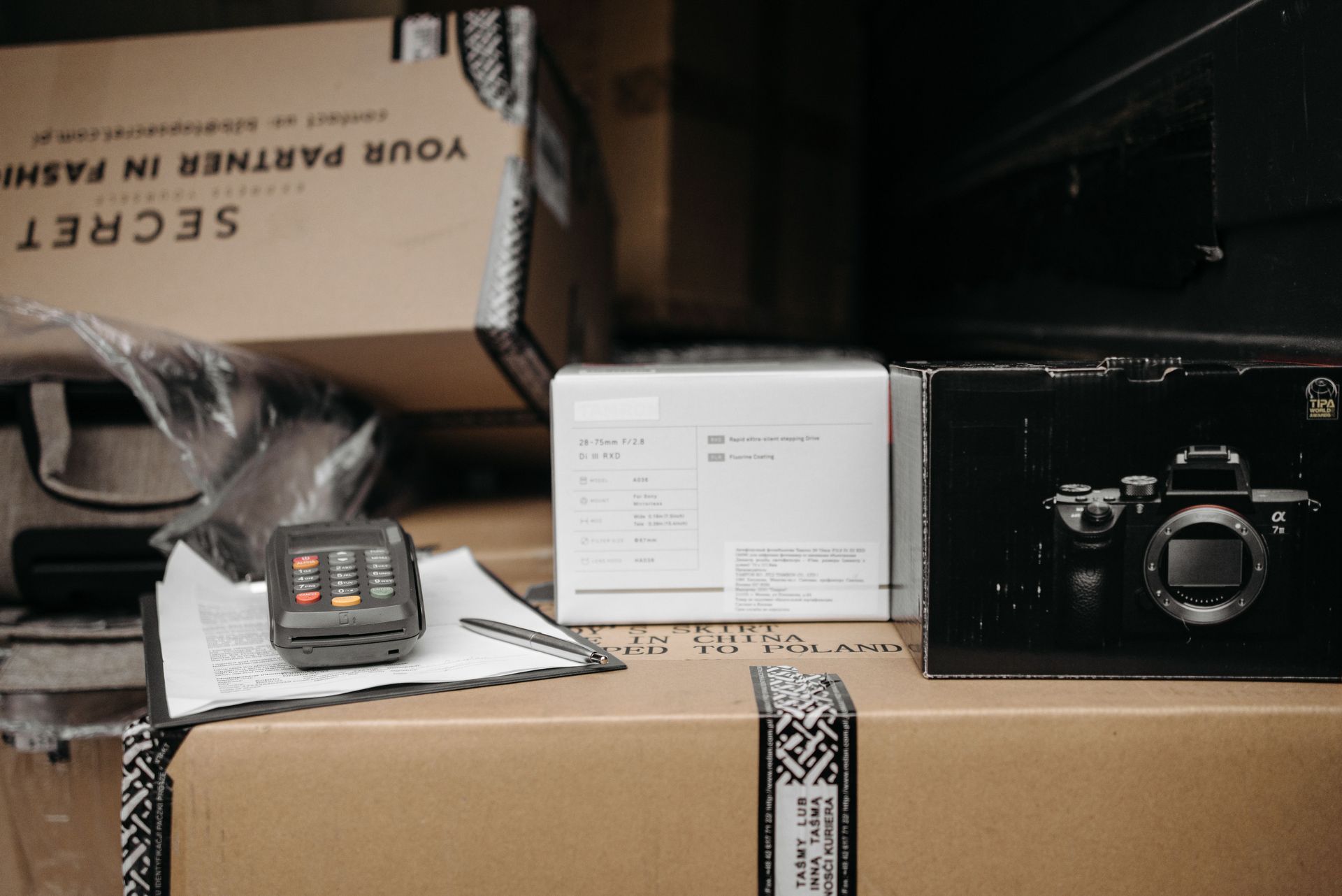
Compare storage options for electronics in Irmo, SC and learn how climate control, proper packing, shelving, and careful placement can help protect your devices.

By Alicia Aguirre • July 20, 2026
Learn the differences between climate-controlled and non-climate-controlled storage, what items belong in each, and how to choose the best option in Irmo, SC.
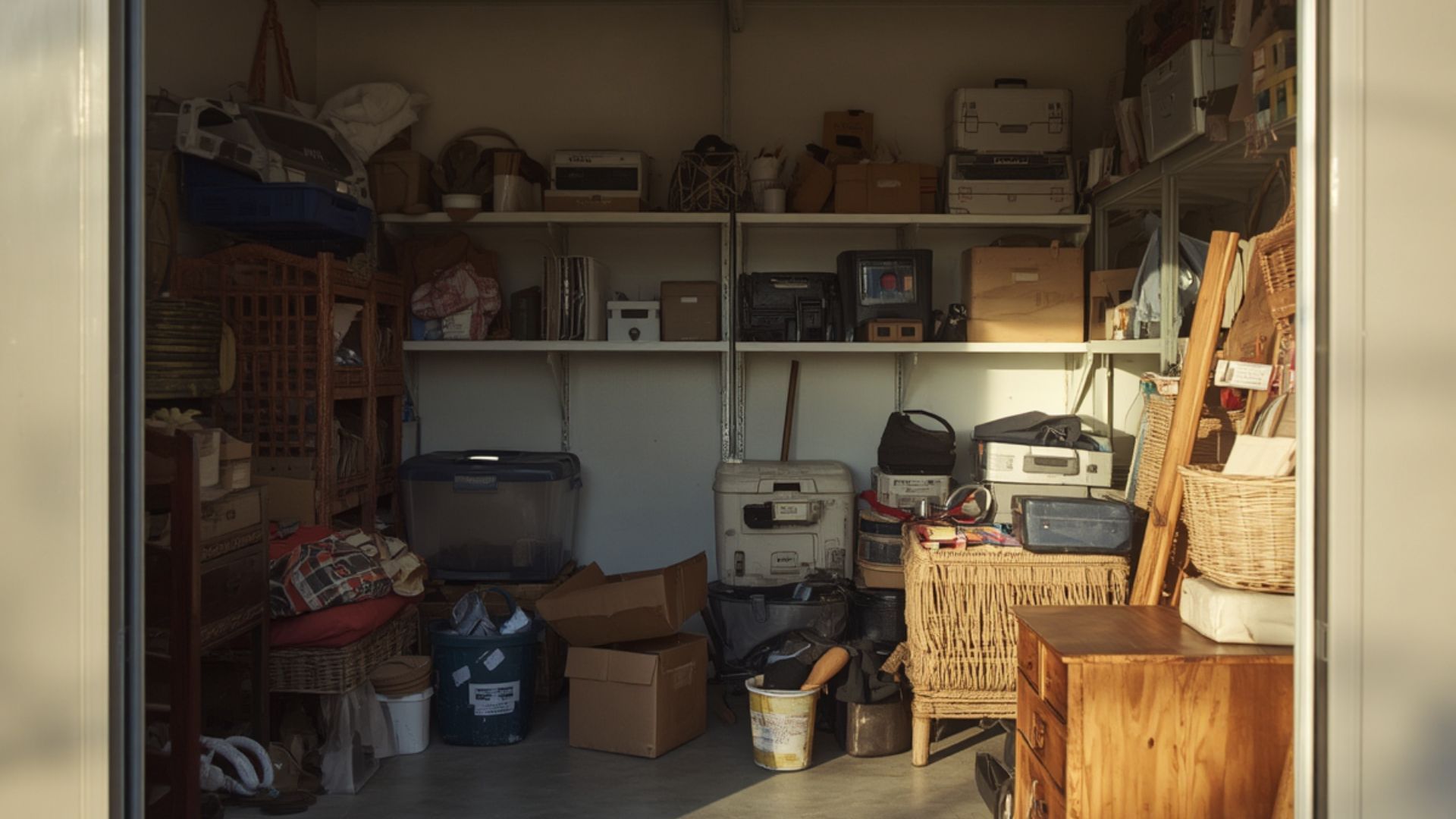
Boxes, furniture, and labeled storage totes arranged for a downsizing project in Irmo, SC
By Alicia Aguirre • June 26, 2026
Plan an Irmo downsizing project with practical storage tips for sorting, staging, and choosing space at PrimeSpace Storage.

By Alicia Aguirre • May 20, 2026
Discover how storage units simplify home renovations in Irmo, SC by protecting furniture, reducing clutter, and keeping your project organized from start to finish.
Self-Storage With Climate Control Guide
March 16, 2026
Discover how self-storage with climate control protects valuables from heat and humidity. A complete guide for storing belongings safely.
Properly Store a Washing Machine
By Josh Summerhays • February 20, 2026
Learn how to properly store a washing machine with step-by-step guidance. Protect your appliance from moisture and damage.
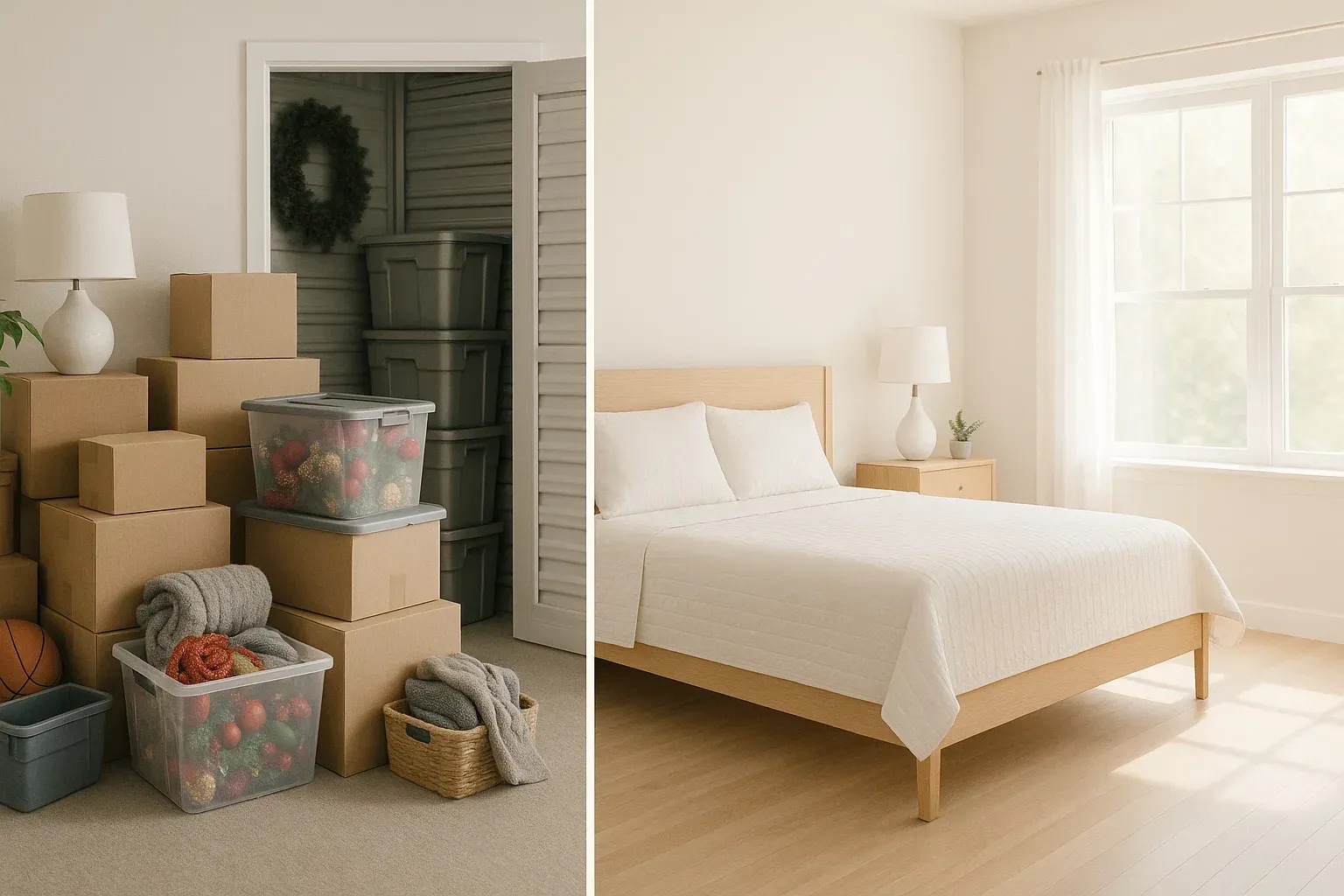
Decluttering? Here's Why a Storage Unit Helps You Stay Organized
By Josh Summerhays • December 11, 2025
Reclaim your space and peace of mind. PrimeSpace Storage helps you clear clutter, store belongings safely, and make your home feel like home again.
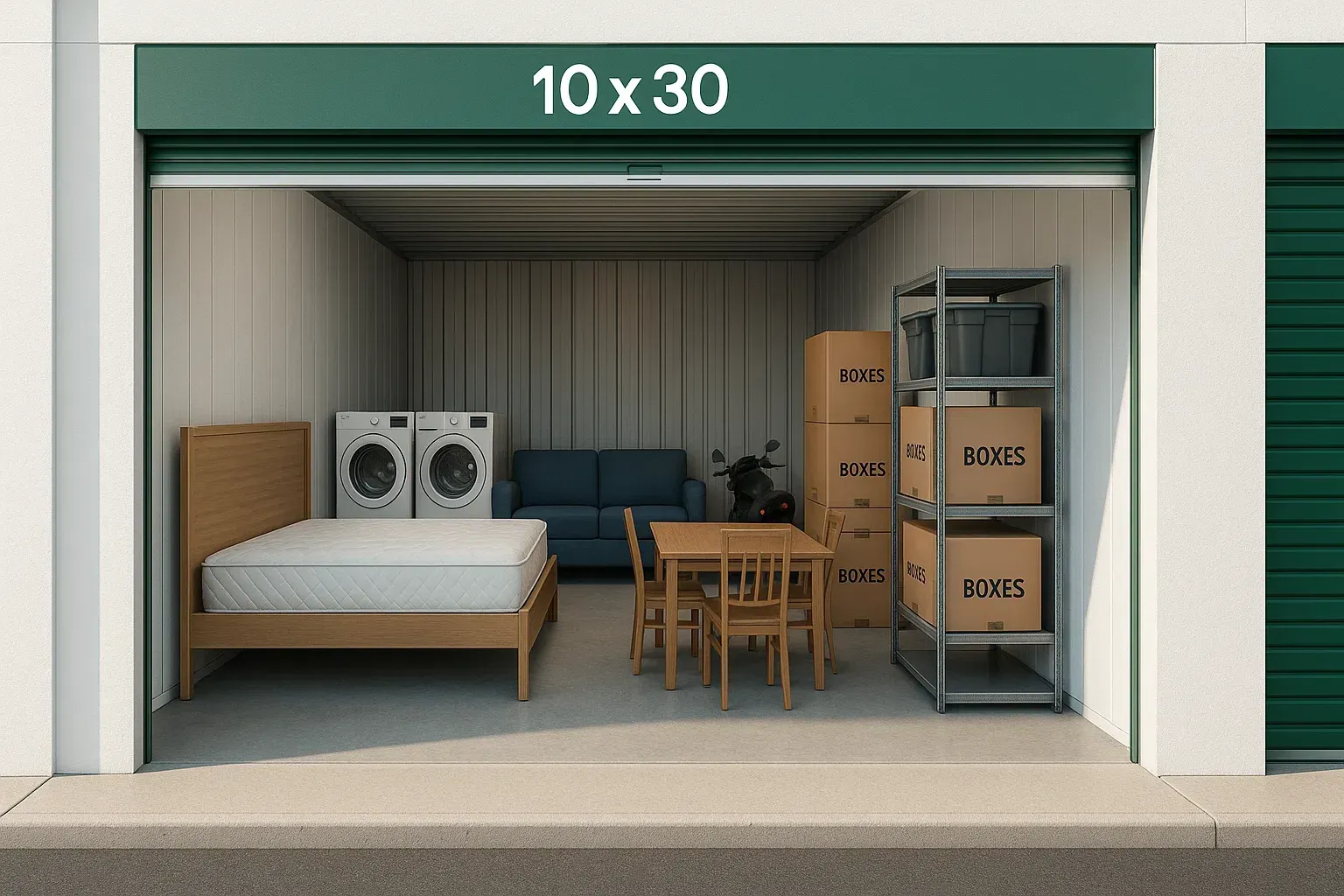
open 10x30 storage unit with household furniture and other items
By Josh Summerhays • December 11, 2025
A 10x30 storage unit represents one of the most versatile and spacious options available, offering a perfect balance of capacity for users.
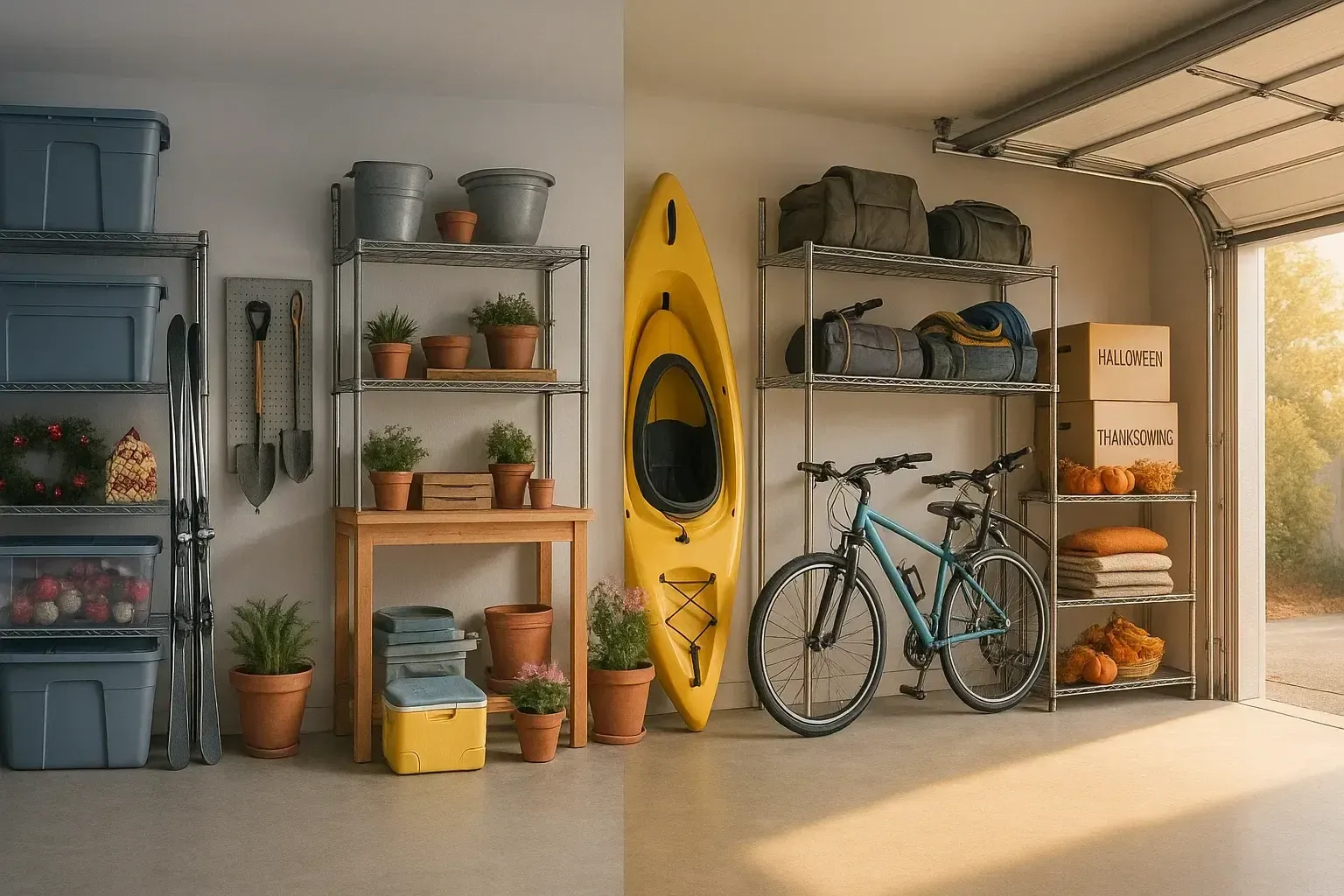
12-month storage calendar with seasonal bins for holiday décor, winter coats, etc
December 11, 2025
Get organized year-round with this 12-month storage calendar. Learn when to store, rotate, and retrieve seasonal items for a clutter-free home.
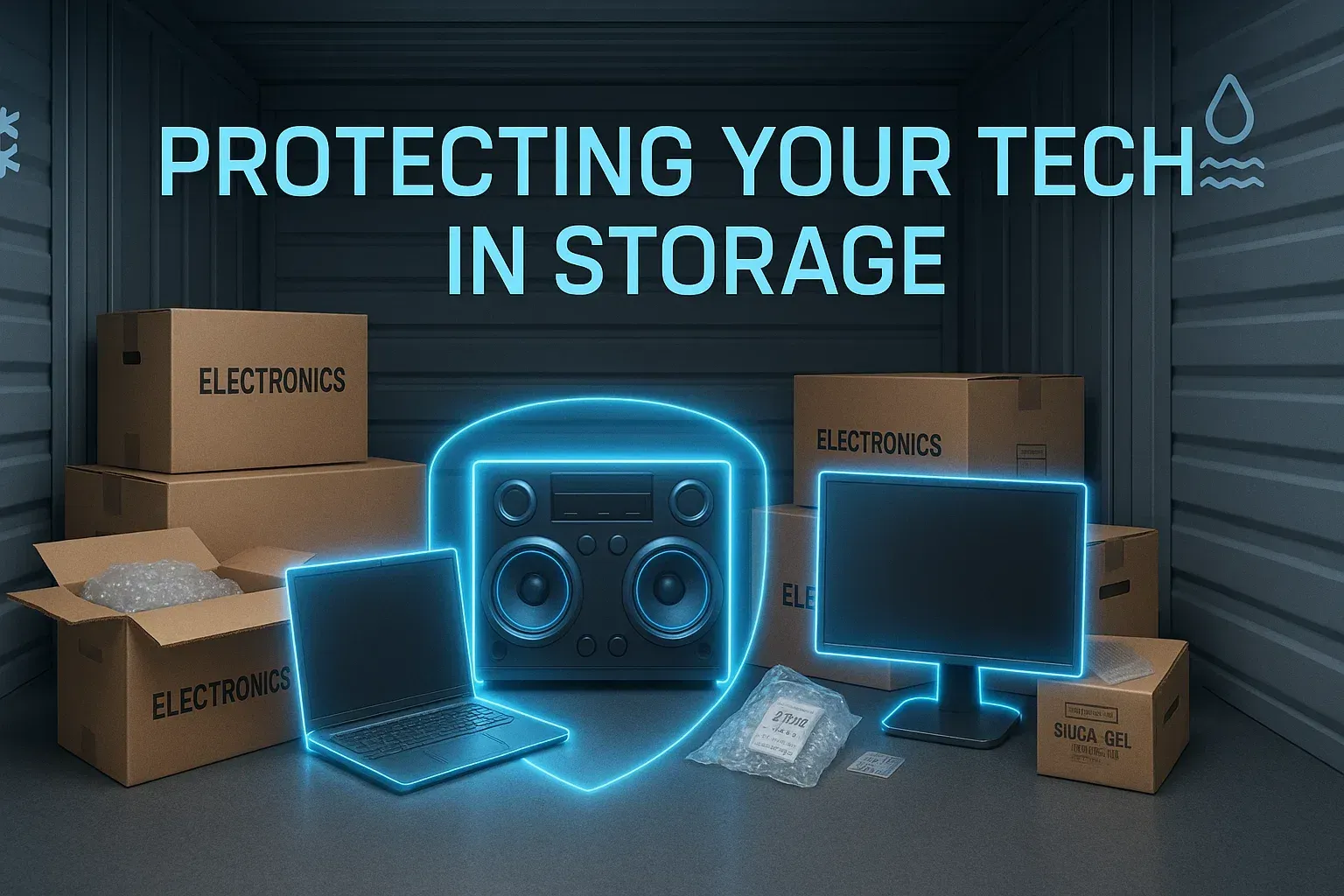
graphic of common personal electronics in a storage unit
By Josh Summerhays • December 11, 2025
Devices do not forgive sloppy handling. Replacing a vintage stereo or a custom gaming tower is expensive, and some pieces are impossible to find again. With a basic plan, even a storage calendar , and a little patience, you can pull everything back out later, plug it in, and feel that quiet relief when the screen lights the way it should. Before we get started on electronic storage, know that climate-controlled storage is a great option to store furniture without damage , as well as for small business who need self storage . Understanding the Risks Storing electronics comes with challenges. Devices face threats in a storage facility that can turn a working unit into a dead weight. Temperature fluctuations make materials expand and contract. Internal components such as solder joints weaken, while sensitive components like circuit boards can fail under stress. Humidity is worse. Moisture creeps into seams, encourages corrosion, and raises humidity levels that damage sensitive electronics. Dust isn’t neutral either—it settles into vents, clogs fans, and coats circuit boards. Even static electricity or electrostatic discharge can destroy a chip instantly. Pests and rodents can chew wires, leading to physical damage. The value here isn’t just monetary. Valuable electronics often hold important data or memories. A computer may contain irreplaceable photos and records. Protecting them with electronics storage practices ensures your valuable devices are stored properly and remain functional. Choosing the Right Storage Unit The room you pick makes a difference. A climate-controlled storage unit protects electronics against harmful effects of extreme temperatures and extreme cold or high temperatures. Climate controlled storage keeps the air conditioning steady, prevents condensation, and maintains safe humidity levels. Most experts recommend you choose climate-controlled storage if you’re storing electronics for more than short term storage. Climate controlled units provide the perfect solution for keeping devices stable. Security also matters. Electronics are easy to resell, so pick a self-storage unit with security cameras, gated entry, and lighting. The right storage unit should also provide extra protection with enough extra space for airflow. Remember: storage units offer peace of mind only when chosen carefully. Preparing Electronics for Storage Preparation is most of the job in packing electronics. Start by cleaning each device—use compressed air to remove dust and a cotton cloth to wipe screens. Always remove dust before boxing items. Back up important data before packing. Losing files is worse than replacing a device. Store backups on the cloud or external drives. Remove batteries from all devices. A leaking cell can damage components permanently. Always store batteries separately in cool, dry places. This applies to laptops, remote controls, and digital cameras. Packing Electronics Properly Whenever possible, use original packaging. If that’s not available, use sturdy boxes and protective packing materials like foam, bubble wrap, and packing paper. Wrap sensitive electronics in anti-static bags to protect them from static electricity. Even loose circuit boards or computer monitors benefit from this. Storing electronics in a sealed box can help protect them from dust and environmental hazards. Add silica gel packets inside boxes to control humidity levels and replace them when they reach saturation. This extra step helps keep electronics safe and prevents moisture from harming sensitive components. Screens should stay upright. Use bubble wrap or blankets to prevent scratches. For desktops, secure heavy internal components separately to avoid rattling inside. Always properly store devices with care to prevent scratches and other damage. Storage Best Practices Placement inside the storage unit matters. Never set devices directly on the floor—use pallets or shelves for extra protection. Keep valuable electronics away from storage unit doors, where temperature fluctuations are worst. Store your electronics in labeled boxes. Keep an inventory list with serial numbers to simplify insurance claims later. This also helps if you need to store items long term or want to test devices periodically. Periodically inspect devices for corrosion, pests, or other issues. Replace silica gel packets when needed. Also, consider testing stored items occasionally to make sure they still work. Insurance for Stored Electronics Even when electronics are stored properly, things happen. Insurance for stored electronics provides coverage if a storage facility is damaged by fire, floods, vandalism, or other extreme conditions. Insuring expensive electronics protects you from unexpected losses. Insurance for stored electronics can often be purchased directly from your storage company. Some providers even offer gadget insurance that covers other electronics excluded under renters or homeowners policies. Keep an inventory list with receipts and photos to simplify any insurance claims. Always review deductibles and exclusions—some policies may not cover theft or mysterious loss. Conclusion Learning how to store electronics in storage unit settings comes down to planning. Clean devices, remove batteries, use anti-static bags, add silica gel packets, and always rely on a climate-controlled unit. Keep an updated inventory list for insurance and store your electronics in a way that allows airflow and avoids extreme conditions. When electronics are stored properly, you prevent scratches, reduce harmful effects from dust and heat, and keep sensitive electronics safe until you need them again. For many, the small cost of climate-controlled storage is the perfect solution—offering both peace of mind and protection for your most valuable devices.

Show More